Explore Ubud’s Wonders with a Russian Guide: Top Tours for 2025
Travel Tips · December 30, 2025 · 16 min read
Planning a trip to Bali in 2025 and want to see the best of Ubud? It can be a little overwhelming trying to figure out what to do, especially if you’re looking for tours. Well, good news! Having a local expert can really make a difference. If you’re looking for Ubud tours with a Russian guide, this is your spot. We’ve put together some top picks to help you explore the magic of Ubud.
Table of Contents
Key Takeaways
- Experience the spiritual heart of Bali with guided Ubud tours, perfect for discovering its rich culture and natural beauty.
- Explore iconic sites like the Sacred Monkey Forest and Ubud Palace with insights from a knowledgeable Russian guide.
- Venture beyond the town center on day trips to Mount Batur, stunning waterfalls, and the famous Gates of Heaven.
- Learn about local traditions, from coffee production to artisan crafts, with tailored tours designed for an immersive experience.
- Make the most of your 2025 visit by booking Ubud tours with a Russian guide for a personalized and unforgettable journey.
Ubud Monkey Forest
The Sacred Monkey Forest Sanctuary, often just called the Ubud Monkey Forest, is a really popular spot right in the middle of town. It’s not just a place to see monkeys, though; it’s also a significant spiritual site for the local community. The forest itself is pretty dense and ancient-feeling, with lots of old trees and moss-covered stone structures scattered throughout.
Over a thousand long-tailed macaques call this place home, and they’re quite used to people being around. You’ll see them swinging through the trees, playing with each other, and sometimes just chilling out on the pathways. It’s important to remember that these are wild animals, even though they seem tame.
Here are a few things to keep in mind when you visit:
- Don’t bring food or snacks into the forest. The monkeys can smell it, and it can lead to unwanted attention or aggressive behavior.
- Avoid direct eye contact with the monkeys, as they can perceive it as a challenge.
- Keep your belongings secure. Monkeys are known to snatch sunglasses, hats, or anything shiny.
- Follow the marked paths and don’t try to touch or feed the monkeys.
Inside the forest, you’ll also find three temples that are still used for ceremonies by the local villagers. The oldest temple dates back to the 14th century. It’s a fascinating mix of nature, wildlife, and Balinese Hindu culture.
The forest is considered a sacred place, and the monkeys are believed to be guardians of the temple. Respecting the environment and the animals is key to a good visit.
Ubud Palace
Right in the center of town, you’ll find the Ubud Palace, also known as Puri Saren Agung. This isn’t just some old building; it’s a historical royal compound that gives you a real look into Balinese architecture and tradition. It’s still an active royal residence, so while you can explore parts of it, remember to be respectful.
Walking around the palace grounds, you’ll notice the intricate carvings and the classic Balinese design. It’s a place that feels both grand and welcoming. If you’re interested in local culture, this is a must-see.
Here’s what you can expect:
- Traditional Architecture: Admire the detailed stonework and wooden structures that are typical of Balinese royal buildings.
- Cultural Performances: In the evenings, the palace often hosts traditional dance shows, like the Legong or Barong dances. It’s a fantastic way to experience Balinese performing arts, usually starting around 7:30 PM.
- Central Location: Its spot Ubud makes it super easy to get to, whether you’re walking from the Monkey Forest or the nearby markets.
The palace complex offers a glimpse into the island’s history and the enduring presence of its royal families. It serves as a cultural hub, preserving traditions through its architecture and performances.
It’s a great spot to visit during the day to appreciate the architecture, and then perhaps return in the evening for a cultural show. Just remember to check the schedule for performances when you’re there.
Saraswati Temple
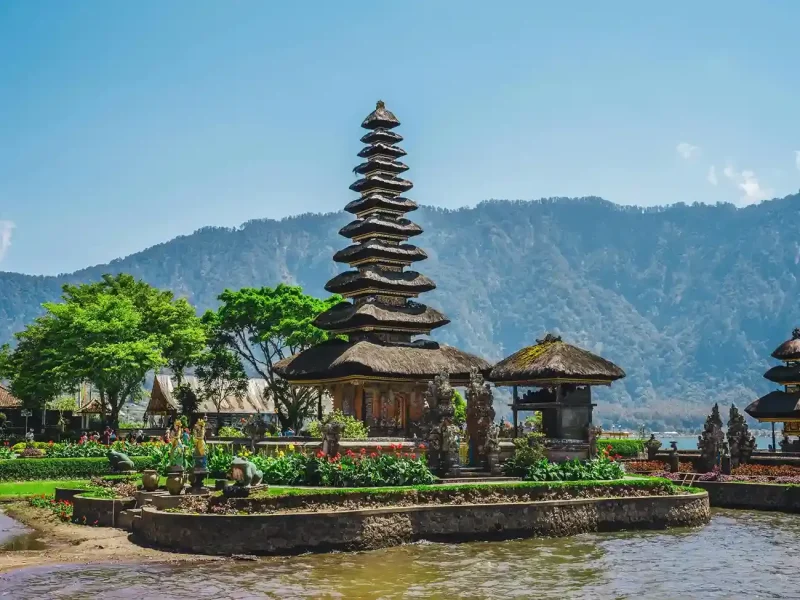
Right Ubud, you’ll find the Saraswati Temple, also known as Pura Taman Saraswati. It’s dedicated to the Hindu goddess of knowledge, music, arts, and wisdom, Saraswati. What makes this temple stand out is its beautiful setting, surrounded by a pond filled with blooming lotus flowers. It’s a really peaceful spot, especially when the lotuses are in full bloom.
The temple’s architecture is quite something, with intricate carvings and traditional Balinese design elements. You can often see dancers practicing here, adding to the artistic atmosphere. It’s a popular place for photos, but it’s also a place where you can just sit for a bit and take in the calm surroundings.
The temple complex is designed to be a tranquil escape, with the water features and the goddess’s imagery creating a serene environment. It’s a place that invites quiet contemplation.
Getting there is easy as it’s located right next to the Ubud Art Market and not far from the Ubud Palace. You can usually walk right through the temple courtyard to get to a cafe behind it, which offers a great view over the lotus pond. It’s a lovely place to visit, whether you’re interested in Balinese culture, architecture, or just need a moment of quiet beauty.
Here’s what you might want to know:
- Location: Jalan Kajeng, right in central Ubud.
- Best time to visit: Early morning or late afternoon for softer light and fewer crowds.
- What to wear: Respectful attire is appreciated, though not always strictly enforced for casual visitors. A sarong might be needed if you plan to enter specific areas, but often just viewing from the pathways is fine.
- Nearby attractions: Ubud Art Market, Ubud Palace, and various cafes and shops.
Campuhan Ridge Walk
For a refreshing escape from the busy streets of Ubud, the Campuhan Ridge Walk is a fantastic option. It’s a paved pathway that winds through lush valleys and offers some really nice views. This is especially magical during sunrise or sunset. You’ll see rolling hills and sometimes even glimpses of rice fields. It’s a pretty easy walk, mostly flat with a few gentle inclines, making it accessible for most people.
It’s a popular spot, so don’t expect to have it all to yourself, but the path is wide enough that it doesn’t feel too crowded. It’s a great place to just wander and take in the natural beauty of the area.
Here’s what you can expect:
- Scenery: Green hills, tropical foliage, and sometimes distant views of local villages.
- Best Times: Early morning for sunrise or late afternoon before sunset. The light is beautiful then, and it’s cooler.
- Duration: The walk itself takes about an hour round trip, depending on your pace and how often you stop for photos.
The path starts near the Warwick Ibah Luxury Villas & Spa and leads you along the ridge. It’s a good way to get a feel for the natural landscape surrounding Ubud without having to go too far from town. Just remember to bring water, especially if you go during the day when it can get quite warm.
Goa Gajah (Elephant Cave)
Just a short drive from the center of Ubud, you’ll find Goa Gajah, also known as the Elephant Cave. This archaeological site dates back to the 9th century and offers a fascinating glimpse into Bali’s past. The main attraction is the cave itself, with its rather intimidating, carved stone face at the entrance. It’s said to represent a demon or a child, and stepping inside feels like entering another world.
Inside the cave, it’s quite dark and simple, but the real magic is in the surrounding complex. You’ll see ancient bathing pools, intricate stone carvings, and beautiful, well-kept gardens. It’s a really peaceful spot, perfect for a bit of quiet reflection and some interesting photos.
Here’s what you can expect:
- The Cave Entrance: A large, carved stone face that’s quite striking.
- The Meditation Cave: A smaller, simpler cave inside the main one.
- Ancient Bathing Pools: Stone structures where people likely bathed centuries ago.
- Carvings and Statues: Intricate details scattered throughout the site.
- Tranquil Gardens: Lush greenery that makes the whole area feel serene.
It’s a place that really makes you think about the history and spirituality of the island. Goa Gajah is a must-visit for anyone interested in Balinese culture and ancient sites. Remember to dress respectfully, as it is a sacred place, and you might need to wear a sarong, which can usually be rented at the entrance if you don’t have one.
Mount Batur Sunrise Hike
Waking up before dawn might not sound like your ideal vacation activity, but trust me, the Mount Batur sunrise hike is totally worth the early alarm. It’s one of those iconic Bali experiences that people talk about long after they’ve left. You’ll typically leave Ubud around 2 AM, which gives you plenty of time to get to the base of the volcano and start your trek. The hike itself isn’t overly strenuous, taking about 1.5 to 2 hours to reach the summit, depending on your pace.
The real magic happens when you reach the top just as the sun begins to peek over the horizon. The sky transforms into a canvas of oranges, pinks, and purples, illuminating the surrounding landscape and the caldera below. It’s a truly breathtaking sight.
Here’s a quick rundown of what to expect:
- Departure from Ubud: Usually around 1:30 AM – 2:00 AM.
- Trek Duration: Approximately 1.5 – 2 hours to the summit.
- Summit Experience: Witnessing the sunrise, enjoying the views, and often having breakfast.
- Descent: Around 1 – 1.5 hours back down.
Many tours include a simple breakfast cooked using the natural steam from the volcano itself – a unique culinary experience! You’ll also get incredible views of the surrounding mountains and Lake Batur. It’s a fantastic way to see a different side of Bali, far from the usual beach crowds.
Remember to wear sturdy shoes, bring a jacket as it can get chilly at the summit, and pack some water. The early start is a small price to pay for such a spectacular reward. It’s an adventure that really connects you with the island’s natural beauty.
If you’re looking for other adventurous day trips from Ubud, consider exploring the stunning landscapes of Nusa Penida with premium tour packages.
Tegenungan & Tibumana Waterfalls
Just a short drive from Ubud, you’ll find two stunning waterfalls that are definitely worth checking out: Tegenungan and Tibumana. Tegenungan is the bigger of the two, and it can get pretty busy, especially during peak times. It’s a powerful cascade with a wide pool at the bottom, perfect for getting some dramatic photos. You can get pretty close to the falls, but swimming right at the base might be a bit much with the force of the water.
Tibumana, on the other hand, offers a more serene experience. It’s smaller and often less crowded, making it a great spot for a relaxing dip. The water here is usually calmer, and the setting feels a bit more secluded, with lush greenery all around. It’s a lovely place to just chill out for a bit.
Getting to these waterfalls usually involves a bit of a walk down some steps, so wear comfortable shoes. While you can visit them independently, many tours combine them with other nearby attractions, making for a full day of exploring Bali’s natural beauty.
Both waterfalls are beautiful examples of Bali’s natural landscapes, offering a refreshing escape from the tropical heat. Remember to bring your swimwear if you plan on taking a dip, and be mindful of the slippery rocks around the falls.
Coffee Plantation Tours
Ubud isn’t just about temples and rice paddies; it’s also a fantastic place to explore the world of coffee. A visit to a local coffee plantation offers a fascinating glimpse into how some of Bali’s most popular beverages are made. You’ll get to learn about the entire process, from bean to cup.
Many tours will guide you through the plantation, showing you the different coffee plants, as well as other local spices and fruits like vanilla, cinnamon, and cacao. It’s a great chance to see where these ingredients come from.
Here’s what you can typically expect:
- Plantation Walk: See the coffee trees and learn about cultivation.
- Processing Demonstration: Understand how the beans are harvested, dried, and roasted.
- Tasting Session: Sample a variety of local coffees and teas. This often includes the famous kopi luwak, a unique coffee processed by civet cats. You’ll usually get to try several different blends to compare.
- Scenic Views: Many plantations are situated in beautiful spots with views over lush valleys or rice fields, making the experience even more enjoyable.
While tasting, you’ll often have the opportunity to purchase your favorite blends directly from the source. It’s a nice way to bring a taste of Bali home with you.
It’s worth noting that while kopi luwak is a popular draw, some travelers prefer to skip it due to ethical concerns regarding the civet cats. Many plantations offer a wide range of other delicious coffees and herbal teas to try instead.
Lempuyang Temple (Gates of Heaven)
Lempuyang Temple, often called the "Gates of Heaven," is one of Bali’s most photographed spots, and for good reason. Perched high on Mount Lempuyang, the temple complex offers incredible views, especially when the majestic Mount Agung is visible through its famous gateway. Getting that iconic shot requires patience, as queues can be quite long, particularly during peak tourist times.
To reach the main temple and its famous gate, you’ll typically start at the Pura Luhur Lempuyang base. From there, it’s a bit of a trek uphill, often involving many steps. Many visitors opt for a sarong and sash, which are usually available for rent or included with a guide.
Here’s what you can expect:
- The Iconic Gate: This is the main draw. The stone gateway perfectly frames Mount Agung, creating a stunning illusion of the volcano floating on clouds when conditions are right.
- The Hike: The journey to the top involves a significant number of stairs, so wear comfortable shoes and bring water. It’s a spiritual journey as much as a physical one, passing smaller shrines along the way.
- Panoramic Views: Once you reach the higher temples, the vistas over the surrounding jungle and towards the coast are breathtaking.
Be prepared for the elements. The climb can be warm, and the sun can be strong. It’s wise to go early in the morning to avoid the worst of the heat and the biggest crowds. Remember to dress respectfully, covering your shoulders and knees, as it is a sacred site.
While the photo opportunity is a major draw, take time to appreciate the temple’s spiritual atmosphere and the incredible Balinese architecture. It’s a place that truly feels like you’re on top of the world.
Tegalalang & North Ubud Villages
Beyond the central sights, the areas north of Ubud offer a different kind of magic, especially the famous Tegalalang Rice Terraces. These aren’t just pretty views; they’re Bali’s ancient irrigation system, the subak. You can wander through the terraces, take photos, and maybe even try one of those popular jungle swings for a thrill.
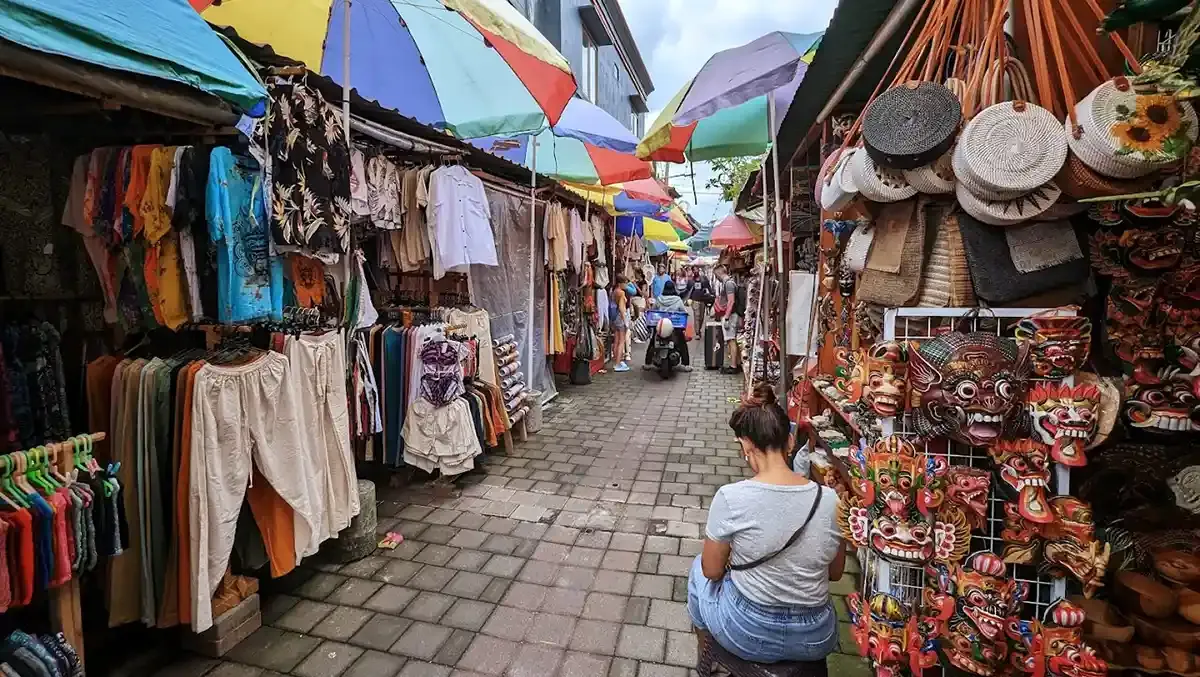
But Tegalalang is just the start. The villages surrounding it are hubs for traditional Balinese crafts. Think Mas village for intricate wood carvings, Celuk for beautiful silver jewelry, and Batubulan for detailed batik fabrics.
Here’s a quick look at what you might find:
- Wood Carvings: From small statues to large decorative pieces, the detail is incredible.
- Silver Jewelry: Delicate earrings, bracelets, and necklaces, often with traditional Balinese designs.
- Batik: Hand-dyed fabrics with complex patterns, used for clothing and home decor.
Many tours combine a visit to the rice terraces with stops at these artisan villages. It’s a great way to see the landscape and pick up some unique souvenirs directly from the makers.
Exploring these northern areas often feels like stepping back in time. The pace is slower, and the connection to traditional Balinese life is very apparent. It’s a good contrast to the busier parts of Ubud.
Wrapping Up Your Ubud Adventure
So, there you have it – a look at some of the ways you can experience Ubud in 2025, especially with a guide who knows the ins and outs. Whether you’re drawn to the ancient temples, the vibrant arts scene, or just the peaceful rice paddies, Ubud really does have something for everyone. Planning ahead, maybe with a local touch, can really make your trip smoother and more memorable. Enjoy exploring this special corner of Bali!
Frequently Asked Questions
What’s the best way to get around Ubud?
For exploring central Ubud, walking is great! If you want to see more, like waterfalls or rice fields, renting a scooter gives you freedom. For longer trips or if you’re with a group, hiring a private driver is a comfy and easy choice. Taxi apps like Grab are also an option, but sometimes they can’t go everywhere in the town center.
How many days should I spend in Ubud?
To really feel the peaceful vibe of Ubud and see its main sights without rushing, three to five days is usually perfect. This gives you time to explore temples, enjoy nature, maybe take a yoga class, and even do a day trip or two.
What’s the weather like in Ubud?
Ubud is warm and a bit humid all year round, like a tropical place. It’s usually a little cooler than the beach areas because it’s higher up. The dry season from April to October is great for being outside, while the wet season from November to March has more rain, but the scenery is super green and there are fewer people.
Is Ubud good for foodies?
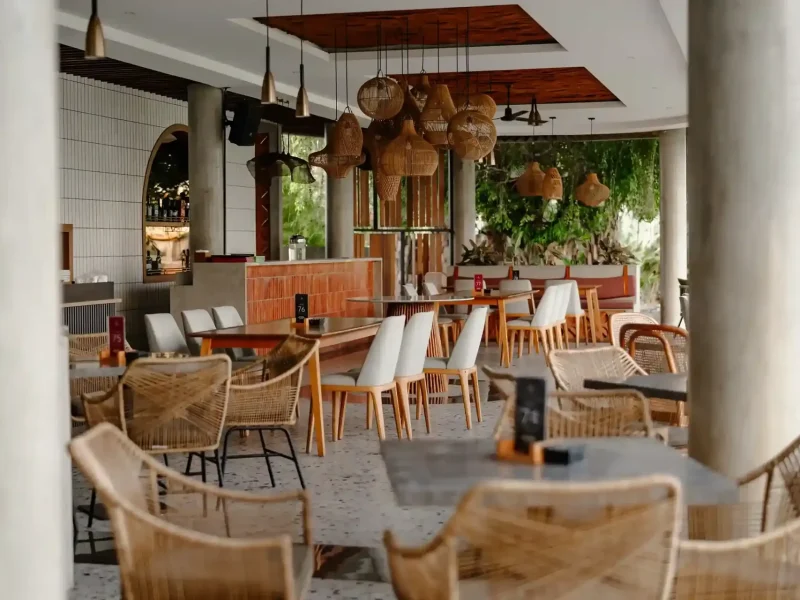
Absolutely! Ubud is a food lover’s paradise. You can find everything from simple local eateries serving traditional dishes to fancy restaurants with amazing views. There are tons of healthy and plant-based options too, with many places using fresh ingredients from their own gardens.
What should I wear when visiting temples in Ubud?
When visiting temples, it’s important to dress respectfully. This usually means covering your shoulders and knees. Many places require you to wear a sarong, which you can often rent or borrow at the entrance. So, having a sarong handy is a good idea!
Can I see the ‘Gates of Heaven’ in Lempuyang Temple on a day trip from Ubud?
Yes, you can visit Lempuyang Temple, also known as the ‘Gates of Heaven,’ on a day trip from Ubud. It’s a popular spot, so expect to wait for photos, especially during busy times. It’s best to go with a driver who can take you there and back, and maybe stop at other sights along the way.