Your Essential Bali Russian Community Guide: Navigating the Island Like a Local

marcell
December 9, 2025
16 min read
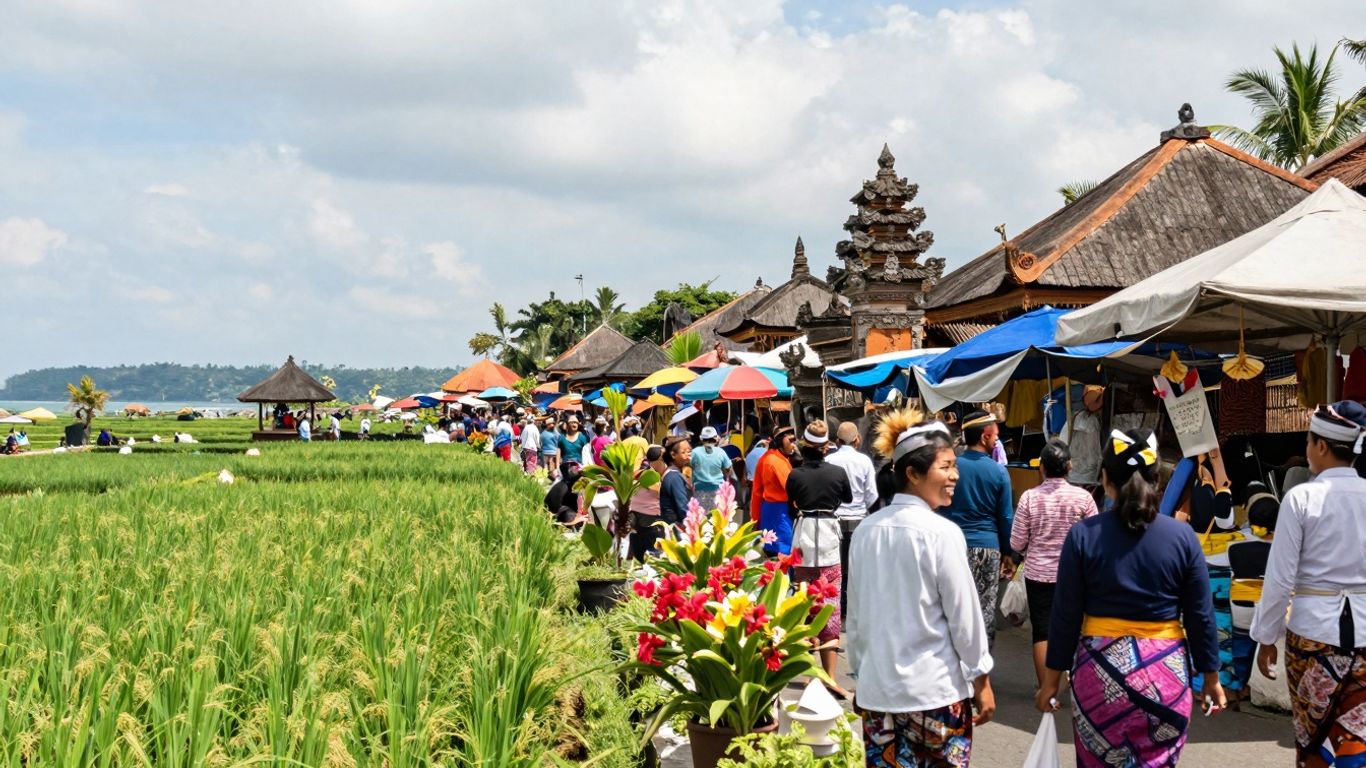
Planning a trip to Bali and wondering about the local scene? This Bali Russian community guide is here to help you get around the island like you’ve lived here forever. We’ll cover the basics, from understanding the different areas and their vibes to figuring out how to get from place to place. Plus, we’ve got tips on money, language, and making sure you respect the local culture. Whether you’re here for a short visit or a longer stay, this guide aims to make your Bali experience a good one.
Key Takeaways
- Bali has a noticeable Russian community, especially in areas like Canggu, which is a popular spot for digital nomads.
- While English is widely spoken in tourist areas, learning a few basic Bahasa Indonesia phrases is helpful and appreciated.
- Getting around involves options like scooters, taxis, and ride-sharing apps; an international driving permit is often needed for scooters.
- Respecting local traditions and values is important, especially when visiting temples or participating in cultural events.
- From exploring temples and waterfalls to trying local food at warungs and enjoying beach clubs, Bali offers diverse experiences for everyone.
Understanding Bali’s Community Landscape
Bali is a place that draws people from all over the world, and over the past few years, there’s been a noticeable increase in folks from Russia and Ukraine choosing to make the island their temporary or even permanent home. This influx has definitely changed things a bit, especially in popular spots. You’ll see more new businesses popping up, like paddle courts and trendy cafes, catering to this growing crowd. It’s a dynamic scene, and areas like Seseh and Mengwi have become quite lively hubs.
The Presence of the Russian Community
The Russian community in Bali has grown quite a bit, particularly in areas like Canggu. You’ll find many digital nomads and families from Russia here, drawn by the island’s lifestyle and opportunities. This presence has contributed to the island’s evolving social fabric and economy. It’s a community that’s actively shaping the local scene, bringing new ideas and energy.
Cultural Nuances for Visitors
While Bali is welcoming, it’s important to remember it’s a deeply spiritual place with strong traditions. The Balinese people are generally very friendly and helpful, but showing respect for their culture is key. This means being mindful of local customs, especially when visiting temples or participating in ceremonies. Simple things like dressing modestly when visiting religious sites go a long way.
Bali’s spiritual heart beats strongly, and visitors are encouraged to observe and respect local customs. This includes being aware of noise levels, especially during religious ceremonies, and understanding that certain areas or times might be considered sacred.
Local Community Structures: The Banjar
Bali has a unique community system called the Banjar. Think of it as a local neighborhood association or a community police force. Each village or area has its own Banjar, and they play a significant role in local life. They often handle community matters, mediate disputes, and are involved in organizing local events and religious ceremonies. If you’re planning anything that might affect the neighborhood, like a large gathering or construction, it’s often a good idea to check in with your local Banjar first. They are the first point of contact for many local issues before even the official police get involved.
Here’s a quick look at what the Banjar typically handles:
- Community event organization
- Local dispute resolution
- Maintaining neighborhood harmony
- Overseeing religious ceremonies and traditions
Navigating Daily Life in Bali
Getting around Bali and handling everyday logistics might seem a bit different at first, but it quickly becomes second nature. The island has its own rhythm, and understanding a few key things will make your stay much smoother.
Language Essentials: Bahasa Indonesia and English
While English is widely spoken in tourist areas, knowing a few basic phrases in Bahasa Indonesia can go a long way. It shows respect for the local culture and can be helpful in more remote spots. Most Balinese people you’ll interact with daily, like shopkeepers or drivers, will understand basic English, but don’t expect fluent conversations everywhere.
Here are some useful phrases:
- Hello: Selamat pagi (morning), Selamat siang (afternoon), Selamat sore (late afternoon), Selamat malam (evening)
- Thank you: Terima kasih
- Yes: Ya
- No: Tidak
- How much?: Berapa?
- Delicious: Enak
Don’t worry too much if your pronunciation isn’t perfect; people appreciate the effort.
Getting Around the Island
Bali’s traffic can be quite busy, especially in popular areas. For short distances or within towns, scooters are very common and make it easier to get through narrow streets. Renting a scooter is usually straightforward, often just requiring your passport. Prices can start around 50,000 IDR per day, with monthly rentals being more economical. Always wear a helmet and drive cautiously, especially when you’re new to it. If scooters aren’t your thing, ride-sharing apps like Gojek and Grab are incredibly popular and affordable for both car and scooter rides. These apps are a convenient way to get around and also offer delivery services. You’ll need an Indonesian SIM card for them to work. Some local taxi drivers might not be fans of these apps, and certain areas might have restrictions on their use.
The key to driving in Bali, whether by scooter or car, is to stay aware of your surroundings and drive with the general flow of traffic. Avoid taking unnecessary risks, and take your time to get accustomed to the roads. For those who prefer not to drive, ride-sharing services are a reliable alternative.
Essential Money and Currency Tips
The local currency is the Indonesian Rupiah (IDR). You’ll find ATMs widely available in towns and tourist hubs. It’s a good idea to inform your bank about your travel plans to avoid any issues with your cards. While credit cards are accepted in many hotels, larger restaurants, and shops, it’s always wise to carry some cash for smaller purchases, local markets, and warungs (local eateries).
- Exchange Rates: Keep an eye on the current exchange rate. You can find this online or at money changers.
- Money Changers: Use reputable money changers, often found in tourist areas. Avoid small, unofficial stalls that offer unusually high rates, as they can sometimes be scams.
- ATMs: ATMs are plentiful, but it’s best to use those attached to banks for security.
For assistance with local services and to ensure you have support in your language, consider looking into options like Bali Russian Concierge which can help with various needs during your stay.
Exploring Bali’s Diverse Regions
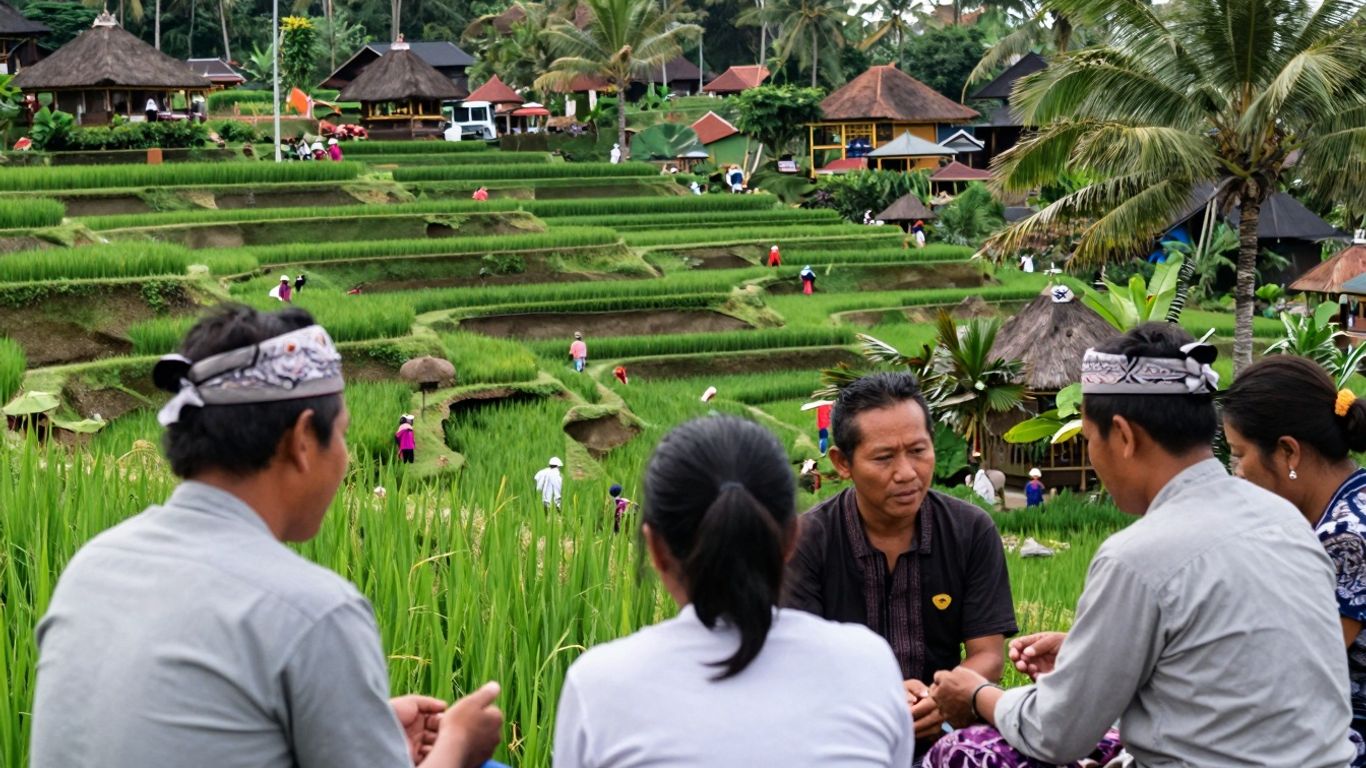
Bali isn’t just one place; it’s a collection of areas, each with its own vibe. Figuring out where to stay can really shape your trip. Let’s look at a few spots that draw different kinds of people.
Canggu: A Hub for Digital Nomads
Canggu has become super popular, especially with people who work online. You’ll see a lot of co-working spaces and cafes designed for getting work done. The beaches here are known for surfing, and there’s a lively social scene. It feels modern and busy, with a mix of local life and international visitors.
- Vibe: Trendy, surf-focused, social, busy.
- Good for: Surfers, digital nomads, those looking for a social scene.
- Things to do: Surfing lessons, cafe hopping, beach clubs, yoga.
Canggu offers a unique blend of laid-back beach culture and a buzzing digital nomad community. It’s a place where you can catch a wave in the morning and attend a networking event in the afternoon.
Ubud: The Cultural and Spiritual Center
If you’re looking for Bali’s heart, Ubud is often the place people point to. It’s surrounded by rice paddies and rainforests, giving it a more tranquil feel than the coastal areas. Ubud is famous for its art scene, yoga retreats, and traditional dance performances. You’ll find many healthy food options and a focus on wellness here.
- Vibe: Spiritual, artistic, calm, green.
- Good for: Yoga practitioners, artists, those seeking a peaceful retreat, cultural immersion.
- Things to do: Visit temples, explore rice terraces, attend dance shows, take cooking classes, visit the Monkey Forest.
Other Notable Areas for Exploration
Beyond Canggu and Ubud, Bali has other areas worth considering, depending on what you’re after. The Nusa Islands, for example, are a short boat trip away and offer a different pace.
- Nusa Islands (Lembongan, Ceningan, Penida): Great for snorkeling, diving, and dramatic cliff views. They feel a bit more rugged and adventurous than mainland Bali. Nusa Penida, in particular, has stunning, almost wild landscapes.
- Seminyak: Known for its upscale boutiques, fine dining restaurants, and stylish beach clubs. It’s more polished and geared towards luxury.
- Sanur: A more relaxed coastal town, popular with families. It has a calm beach and a pleasant boardwalk.
Choosing the right region really depends on your travel style and what you want to get out of your time in Bali.
Essential Tips for a Smooth Stay
Getting ready for your Bali trip? It’s a fantastic place, but like anywhere new, a little preparation goes a long way. Here are some pointers to help you settle in and enjoy your time on the island without too many hiccups.
Respecting Local Traditions and Values
Balinese culture is deeply rooted in Hinduism, and this influences daily life significantly. You’ll see offerings (canang sari) placed everywhere, from sidewalks to shrines. It’s important to be mindful of these. When walking, try to step over them rather than on them. Also, dress modestly when visiting temples or more traditional villages. This usually means covering your shoulders and knees. A sarong is often required for temple visits, and many places offer them for rent or sale.
- Always ask permission before taking photos of people, especially during ceremonies.
- Be aware of local holidays and festivals; some areas might have restrictions on movement or noise during these times.
- Public displays of affection are generally frowned upon, so keep it low-key.
Remember that Bali is a place where spirituality and daily life are closely intertwined. Showing respect for local customs, even if you don’t fully understand them, will be greatly appreciated by the community.
Accommodation Options and Considerations
Bali offers a huge range of places to stay, from budget-friendly guesthouses to luxury villas. Your choice will depend a lot on where you plan to spend your time and what kind of vibe you’re looking for. In popular spots like Canggu or Seminyak, you’ll find many villas with private pools, which are great for groups or families. Ubud has more eco-lodges and boutique hotels nestled in nature. If you’re on a tighter budget, look for losmen (guesthouses) or homestays, which offer a more local experience.
When booking, consider:
- Location: How close is it to the beach, restaurants, or activities you’re interested in?
- Amenities: Do you need air conditioning, Wi-Fi, a kitchen, or a pool?
- Reviews: Always check recent reviews from other travelers to get a realistic picture.
Staying Connected: Internet and SIM Cards
Keeping in touch is pretty straightforward in Bali. Most hotels, cafes, and restaurants offer free Wi-Fi, though the speed can vary. If you need reliable internet access for work or frequent communication, getting a local SIM card is a good idea. You can buy them easily at the airport or at small shops all over the island. Popular providers include Telkomsel, XL Axiata, and Indosat Ooredoo.
Here’s a quick rundown on getting a SIM card:
- Choose a Provider: Telkomsel generally has the best coverage across the island.
- Select a Plan: Data packages are quite affordable. You can get plans ranging from a few gigabytes to unlimited data for a set period.
- Activation: You’ll usually need your passport to register the SIM card. The shop assistant can help you with this.
Having a local SIM card makes it much easier to use navigation apps, stay in touch with friends, and access information on the go.
Experiencing Bali’s Natural and Cultural Attractions
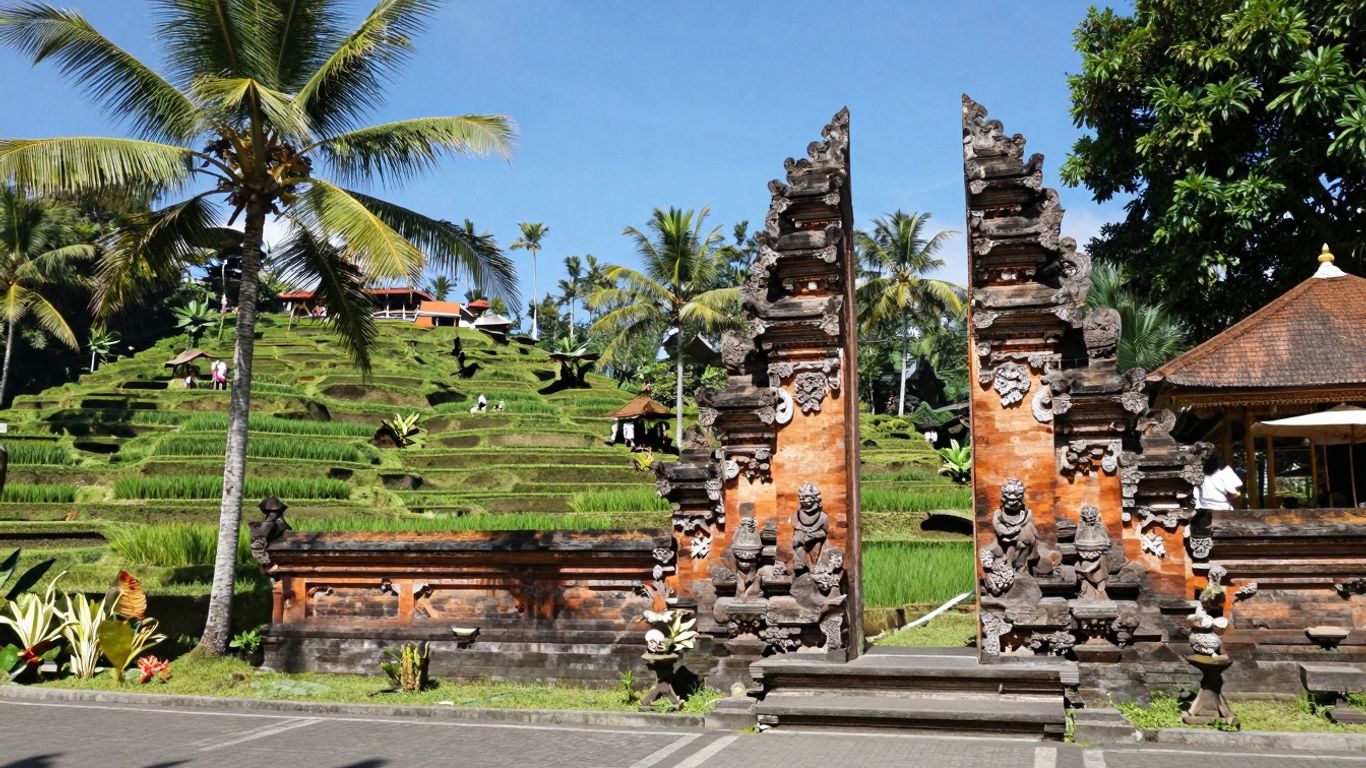
Bali is packed with sights that will stick with you long after you leave. From ancient temples to stunning natural spots, there’s a lot to see. It’s a place where culture and nature really come together.
Must-Visit Temples and Sacred Sites
Temples are a big part of Balinese life and visiting them offers a look into the island’s spiritual heart. You’ll find temples everywhere, from the coast to the mountains. Remember, when you visit, it’s important to dress respectfully. This usually means covering your shoulders and knees. Many temples offer sarongs and sashes for rent if you need them. Going early in the morning or later in the afternoon can help you avoid the biggest crowds and the midday heat.
- Tanah Lot Temple: Famous for its dramatic setting on a rock formation by the sea, especially beautiful at sunset.
- Uluwatu Temple: Perched on a cliff edge, it offers amazing ocean views and is known for its Kecak dance performances.
- Tirta Empul Temple: Known for its holy spring water where locals and visitors participate in purification rituals.
- Lempuyang Temple: Often called the "Gateway to Heaven," it provides iconic views with Mount Agung in the background, though reaching the higher temples involves a hike.
Visiting temples is more than just sightseeing; it’s an opportunity to witness and participate in local traditions. Always be mindful of ongoing ceremonies and respect the sacredness of these sites.
Exploring Waterfalls and Natural Wonders
Beyond the temples, Bali’s natural beauty is just as captivating. The island is dotted with waterfalls, rice terraces, and lush jungles. These places are perfect for a break from the busy tourist spots and offer a chance to connect with nature.
- Tegalalang Rice Terraces: Iconic, sculpted rice paddies near Ubud that are a sight to behold, especially in the morning light.
- Sekumpul Waterfall: Often considered one of Bali’s most beautiful waterfalls, it’s a bit of a trek to get to but well worth the effort.
- Mount Batur: For the adventurous, a sunrise hike up this active volcano offers incredible panoramic views.
Island Hopping Adventures
Bali isn’t just one island; it’s surrounded by smaller islands that offer different vibes and experiences. Taking a boat trip to these nearby islands can open up a whole new world of exploration. You can find tours that take you to places like Nusa Penida, known for its dramatic cliffs and clear waters. Explore stunning locations like Kelingking Beach and Crystal Bay on Nusa Penida. When planning these trips, it’s a good idea to book your transport in advance and pack light. Think about what you want to see and do on each island to make the most of your time.
Here are some tips for island hopping:
- Plan Your Route: Decide which islands you want to visit and how much time you have.
- Book Transport: Look into fast boats or ferries; booking ahead can save time.
- Pack Smart: Bring essentials like sunscreen, a hat, swimwear, and a reusable water bottle.
Culinary Delights and Local Eateries
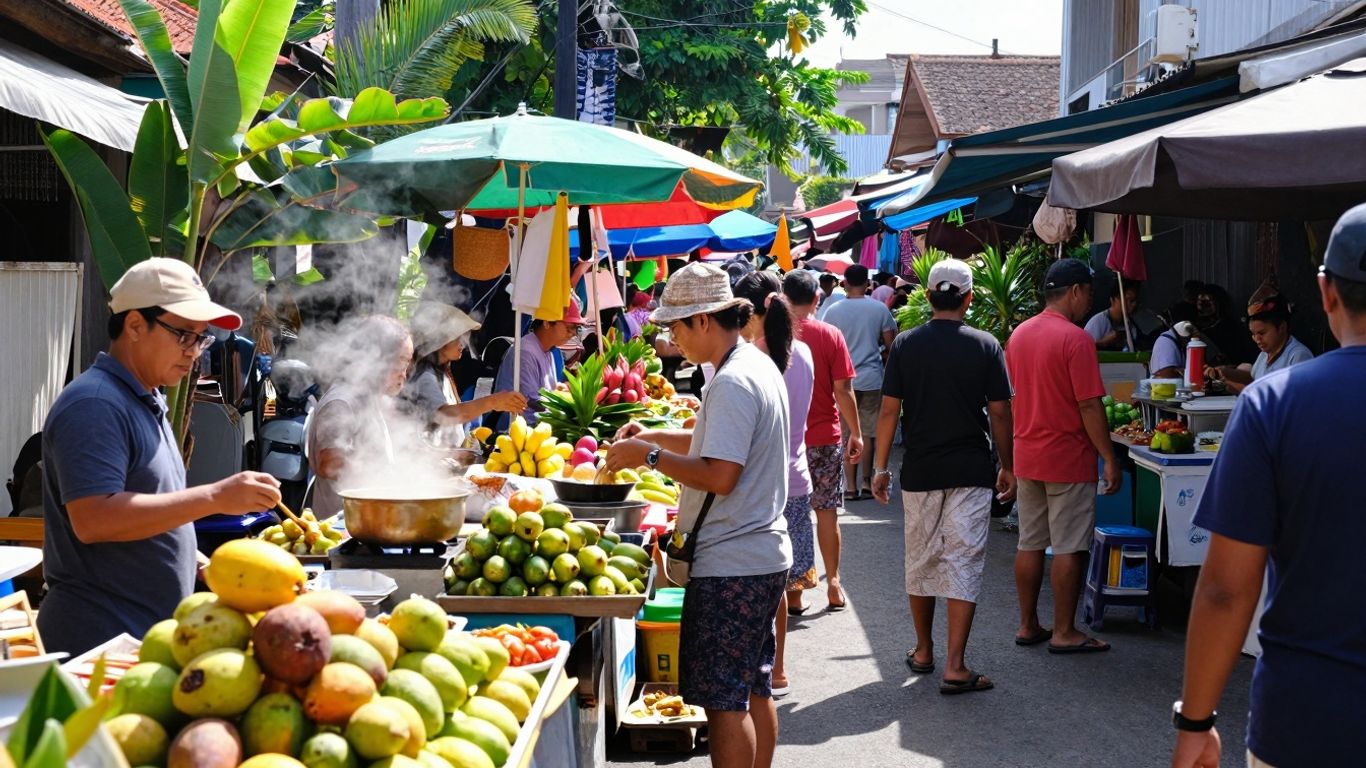
Bali’s food scene is as vibrant and diverse as its landscapes. From street-side stalls to more upscale dining, there’s always something new to taste. Exploring local eateries is a fantastic way to connect with the island’s culture.
Key Indonesian Dishes to Try
Indonesian cuisine is a flavorful journey. Here are a few must-try dishes:
- Nasi Goreng: Indonesia’s take on fried rice, often served with a fried egg and kerupuk (crackers).
- Mie Goreng: Similar to Nasi Goreng, but with noodles instead of rice.
- Nasi Campur: A plate of rice accompanied by small portions of various other dishes. It’s a great way to sample a bit of everything.
- Satay: Skewered and grilled meat (chicken, beef, or lamb) served with a rich peanut sauce.
- Babi Guling: A traditional Balinese dish of spit-roasted suckling pig. Note that this is a non-halal dish.
Dining at Local Warungs
Warungs are small, often family-run eateries that offer an authentic taste of Indonesian food at very reasonable prices. They are scattered all over the island, from busy towns to quiet villages. You’ll find everything from simple noodle dishes to more complex meals. Don’t be shy about trying them; it’s where many locals eat daily. Some of the best food experiences can be found in these humble establishments. For instance, the Sanur Night Market (Pasar Malam Sindu) is known for its street food, offering a lively atmosphere after 6 PM.
Food Delivery Services
If you prefer to dine in the comfort of your accommodation, Bali has excellent food delivery services. Apps like Gojek and Grab are widely used and allow you to order from a vast array of restaurants and warungs. You can get almost any type of cuisine delivered right to your door, making it super convenient, especially after a long day of exploring. These services are a lifesaver and have a huge selection of food options available. You can find these apps easily on your smartphone’s app store.
Wrapping Up Your Bali Experience
So, that’s a look at how to get around and live a bit more like a local here in Bali, especially for those coming from Russia. It’s a big island with a lot going on, and things are always changing. Remember to be respectful of the culture, try to learn a few words of the language, and don’t be afraid to explore beyond the usual spots. Whether you’re here for a short visit or planning to stay longer, Bali has a way of drawing you in. Enjoy your time on the Island of the Gods!
Frequently Asked Questions
What’s the deal with the Russian community in Bali?
You’ll find a noticeable Russian community, especially in popular spots like Canggu. They’ve become a part of the island’s diverse mix, adding to the international vibe. It’s interesting to see how different cultures blend together here.
Do I need to know Bahasa Indonesia to get around?
Don’t stress too much about the language! English is spoken in most tourist areas, so you can usually get by just fine. Balinese people are also super friendly and often willing to help you out, even if there’s a bit of a language gap.
What are these ‘Banjar’ things I hear about?
Think of the Banjar as a local neighborhood watch or community group. They’re like the first point of contact for local issues, especially those related to culture or religion. If you’re planning something big, like a party in a villa, it’s a good idea to check in with your local Banjar first.
How can I be respectful of Balinese traditions?
Bali is a very spiritual place with strong traditions. It’s important to be mindful of this. When you visit temples or sacred sites, dress modestly and follow any rules you see. Showing respect goes a long way in making a good impression.
What’s the best way to explore different parts of Bali?
Bali has so many different vibes! Canggu is great for surfers and digital nomads, Ubud is the go-to for culture and yoga, and Seminyak offers more upscale shopping and dining. Each area has its own unique charm, so consider what you’re looking for in your stay.
Can I drink the tap water in Bali?
Nope, it’s best to stick to bottled water for everything – drinking, brushing your teeth, even washing your salads. Buying a large bottle is usually more cost-effective than constantly buying small ones.
