
Navigating Bali Temple Etiquette: A Guide for Russian Tourists

marcell
January 13, 2026
16 min read
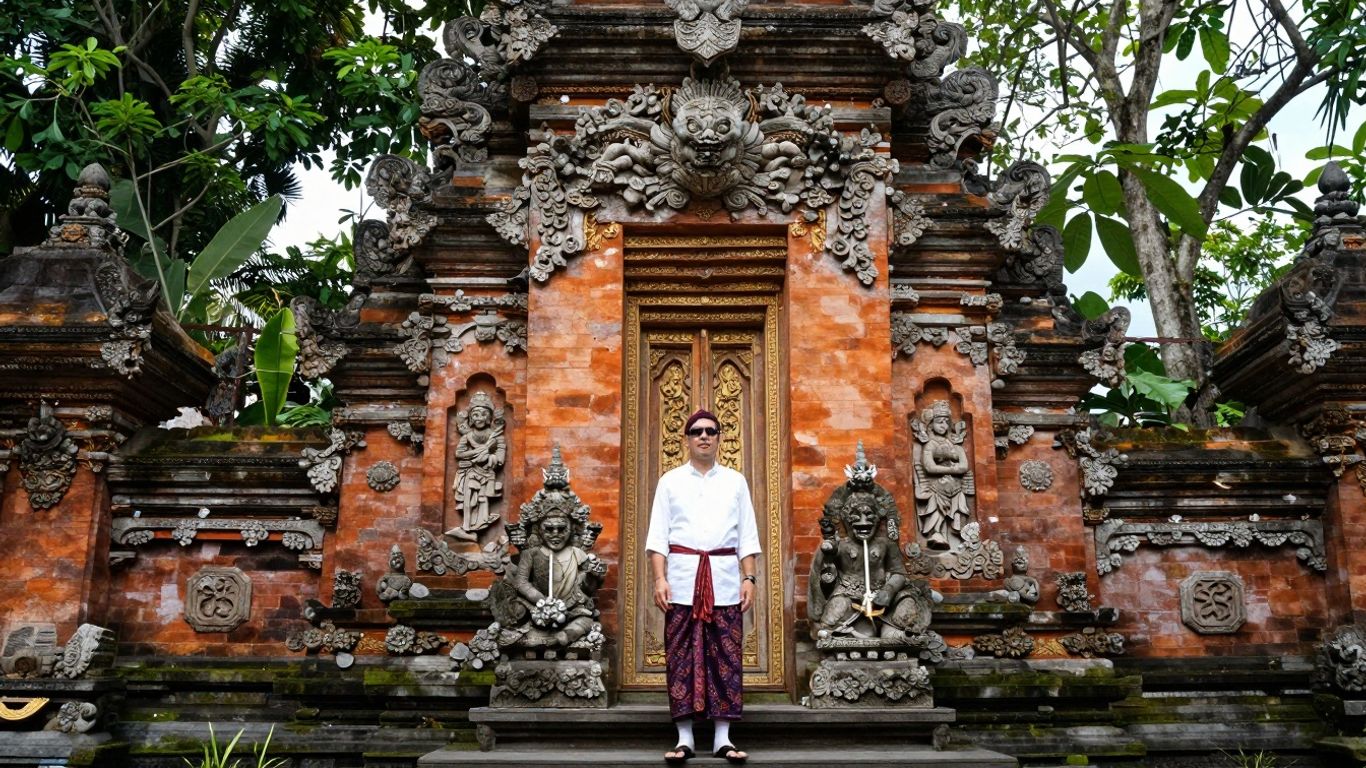
Planning a trip to Bali? That’s awesome! It’s a beautiful island with so much culture. But, like any place, it has its own set of rules, especially when it comes to visiting temples. For us Russians heading over, it’s super important to know the local customs so we don’t accidentally cause any trouble. This guide is here to help you understand the basics of Bali temple etiquette for Russians, making sure your visit is respectful and enjoyable for everyone.
Key Takeaways
- Always dress modestly when visiting temples. Think covering your shoulders and knees. Wearing a sarong is a must, and it’s usually provided or can be rented at the entrance if you don’t have one.
- Be mindful of your actions inside temple grounds. Avoid touching sacred objects, climbing on structures, or going into areas marked as restricted. Respect the peace and sanctity of the place.
- Consider hiring a local guide. They can offer insights into the temple’s history and significance, making your visit much richer and helping you avoid cultural missteps.
- Recent incidents have highlighted the need for tourists, including Russians, to be extra careful about respecting Balinese customs. Awareness is key to avoiding problems.
- Follow the ‘do’s and don’ts’ provided by local authorities. This includes things like not littering, driving safely, and generally behaving politely in public spaces and sacred sites.
Understanding Bali Temple Attire Requirements
When you visit Bali’s temples, dressing the right way is really important. It shows respect for the local culture and the sacredness of the place. Think of it as part of the experience, not just a rule to follow.
Modest Dress Code Essentials
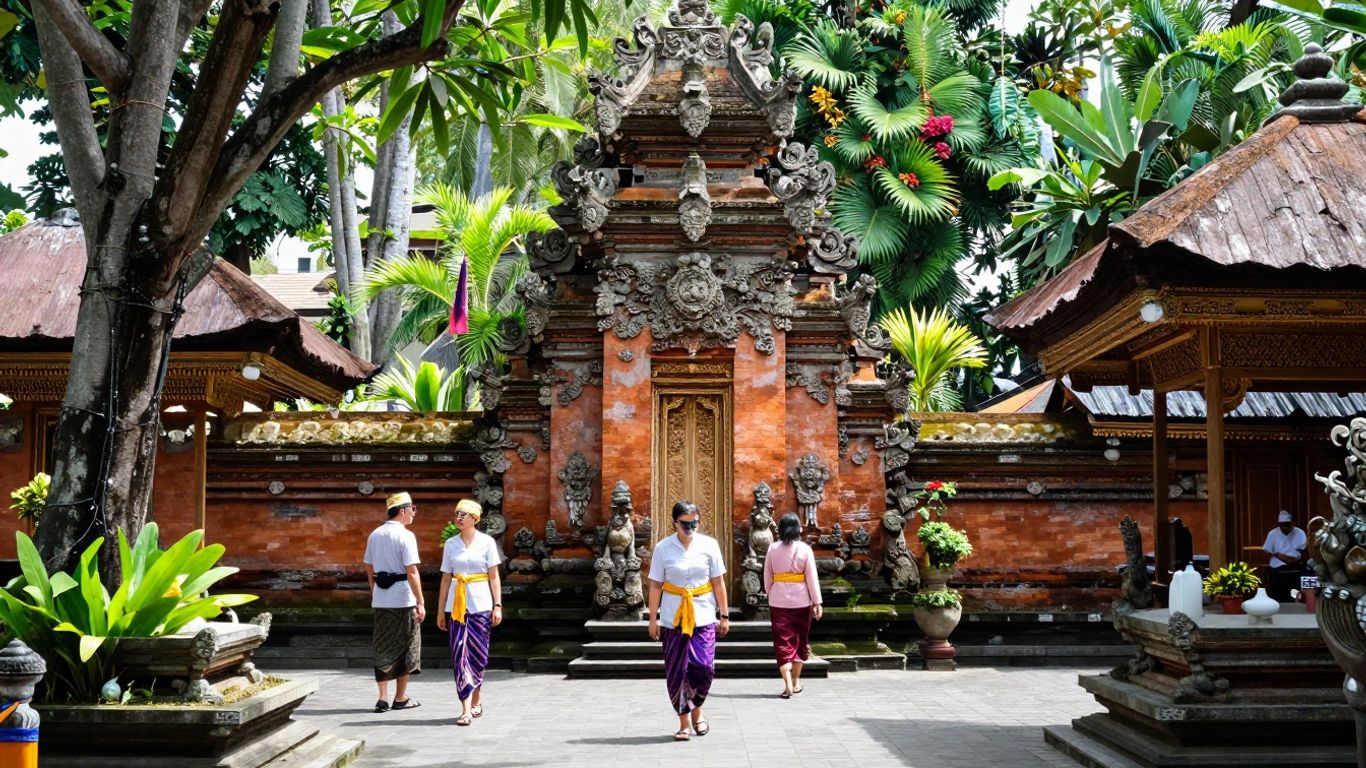
The most important thing is to cover up. This means no shorts, short skirts, or sleeveless tops. For men, long pants and a t-shirt or collared shirt are good. For women, long pants or a long skirt, along with a top that covers your shoulders, is appropriate. It’s not just about covering up; it’s about showing you understand and respect the local customs. Some places might be more relaxed, but it’s always better to err on the side of caution and dress more modestly.
The Significance of Wearing a Sarong
You’ll notice that a sarong is often required, and sometimes provided, at temple entrances. This isn’t just a piece of cloth; it’s a symbol. In Balinese tradition, tying a sarong or sash is said to help ‘tie up all negative things,’ keeping them from entering the sacred space. It’s a simple act that carries deep meaning. You’ll usually see men and women wearing them, often over their regular clothes, to meet the dress code.
Footwear Etiquette at Sacred Sites
When it comes to shoes, rules can vary from temple to temple. In many cases, you’ll need to remove your footwear before entering certain areas. This is a sign of humility and respect. Always look for signs or ask a temple attendant if you’re unsure. It’s a good idea to wear shoes that are easy to slip on and off, like sandals or slip-on sneakers, to make the process quicker and smoother. You don’t want to be fumbling with laces when everyone else is ready to move on.
Always observe what others are doing. If you see people removing their shoes, it’s a safe bet you should too. Paying attention to these small details makes a big difference in showing your respect.
Respectful Conduct Within Temple Grounds
Once you’re inside a Balinese temple, it’s important to remember you’re in a sacred space. This means being mindful of your actions and showing reverence for the site and its traditions. Paying attention to these details makes a big difference.
Avoiding Sacred Objects and Structures
Temples are filled with items and areas that hold deep religious significance. It’s vital to avoid interacting with these elements inappropriately. This includes:
- Do not touch or climb on any sacred trees within the temple grounds. These are often considered living entities with spiritual importance.
- Refrain from standing on or touching any shrines, pagodas, or temple seats. These are places of worship and should be treated with utmost respect.
- Never take objects that belong to the temple. These items are part of the religious practice and are not souvenirs.
The Role of Holy Water Rituals
Holy water, or tirta, plays a significant role in Balinese Hindu practices. You might encounter opportunities to participate in or observe rituals involving it.
- Observe local customs: If you see locals sprinkling holy water, understand it’s a purification ritual.
- Participation: In some instances, visitors may be invited to sprinkle holy water, often on their heads, as a blessing before entering deeper into the temple complex.
- Respect boundaries: If a ritual is in progress, maintain a respectful distance and avoid interrupting.
Photography Guidelines for Respectful Visitors
Capturing memories is natural, but it’s important to do so respectfully within temple grounds. Always be aware of your surroundings and the people around you.
- Ask permission: Before taking photos of people, especially those engaged in prayer or rituals, always ask for their consent.
- Avoid sensitive areas: Do not photograph areas that are clearly marked as restricted or are actively being used for ceremonies.
- Modesty in photos: Refrain from taking immodest photos, including nude or semi-nude shots, within sacred spaces. This is considered highly disrespectful.
Being mindful of these guidelines helps maintain the sanctity of the temple and shows respect for the Balinese culture and its people. It’s about being a guest in a place of worship, not just a tourist attraction.
Navigating Temple Access and Guidance
Determining Temple Openness for Visitors
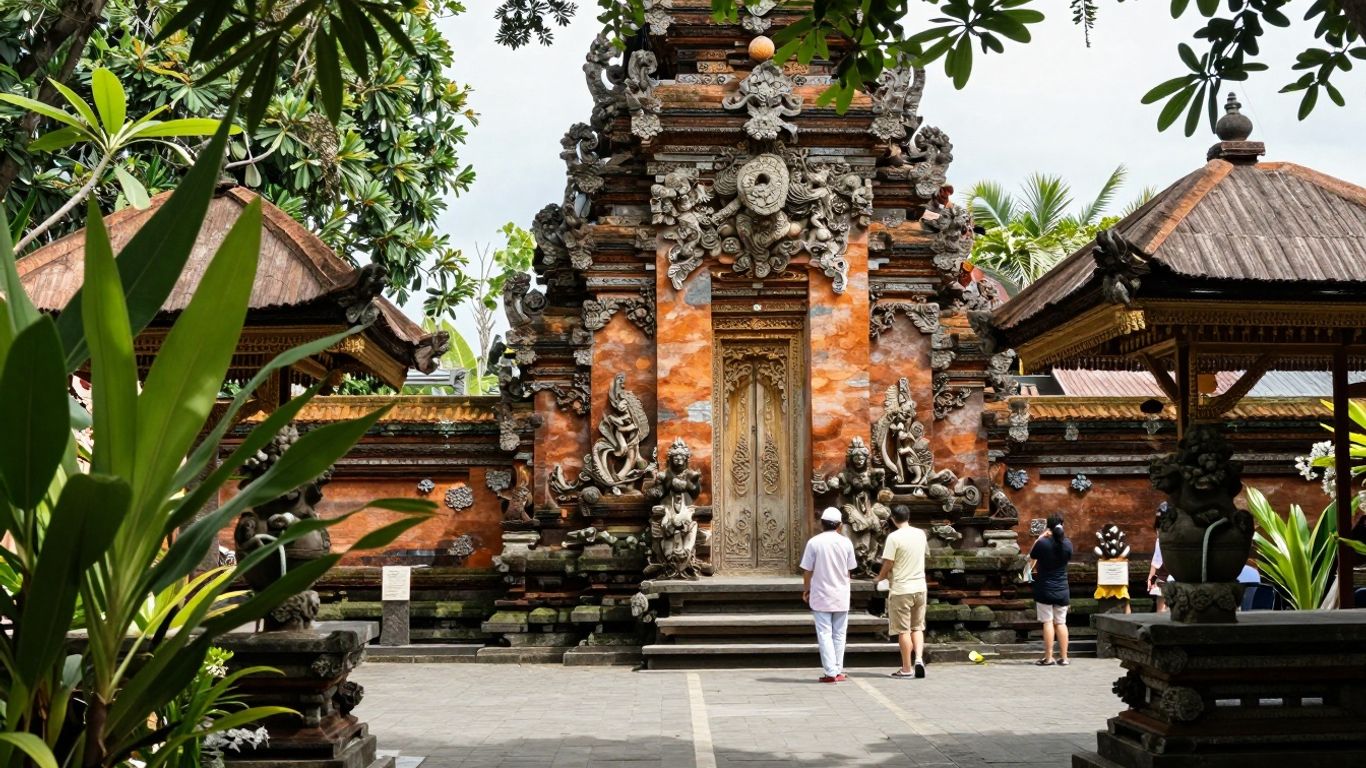
Not all temples in Bali are automatically open to everyone. Some are specifically for Hindu worship and may have restrictions for visitors. It’s a good idea to check if a temple welcomes tourists before you go. If you arrive and there’s no one around to ask, it’s generally best not to enter. Look for signs or ask your accommodation if you’re unsure.
The Value of Local Guides for Interpretation
While you can certainly admire the architecture of Balinese temples, a local guide can really bring the place to life. They can explain the history, the stories behind the statues, and the significance of different areas. Having a guide can transform a simple visit into a much richer cultural experience. They help you understand the meaning behind what you’re seeing, which is often more interesting than just the physical structures themselves.
When to Seek Permission Before Entering
Always be mindful of whether you need permission to enter certain parts of a temple. Some areas are considered more sacred and might be off-limits unless you are there for a specific religious purpose. If you’re unsure about where you can go or what you can do, it’s always best to ask a temple official or your guide. They can point out restricted zones and explain any specific rules.
Here’s a quick rundown of things to keep in mind:
- Check for signs: Look for any posted rules or restrictions.
- Observe others: See what local worshippers are doing and where they are going.
- Ask politely: If you see a temple attendant or guide, don’t hesitate to ask for clarification.
It’s important to remember that temples are active places of worship. Approaching your visit with humility and a willingness to learn from locals will go a long way in showing respect.
Specific Considerations for Russian Tourists
Bali is a place that really values its traditions, and it’s important for everyone visiting to be aware of this. Recently, there have been some incidents that have brought more attention to how visitors behave, especially concerning cultural and religious sites. It’s not about singling anyone out, but more about making sure everyone understands and respects the local way of life.
Recent Incidents and Their Implications
There have been a few high-profile cases involving tourists, including some from Russia, engaging in behavior that was seen as disrespectful. These incidents, like posing inappropriately at sacred locations or acting disrespectfully towards local customs, have led to increased scrutiny and stricter enforcement of rules. It’s vital for all visitors to be mindful that actions, even if unintentional, can have significant consequences and impact the island’s reputation. These events have prompted local authorities to reinforce existing regulations and to be more proactive in addressing any behavior that could be seen as offensive or damaging to Bali’s cultural heritage. This means paying closer attention to dress codes, conduct in temples, and general respect for the environment and local people.
Adhering to Local Customs and Traditions
When you’re in Bali, it’s a good idea to try and blend in as much as possible. This means dressing modestly, especially when visiting temples or other religious sites. Think covering your shoulders and knees. It’s also about being polite and quiet in public spaces, and showing respect to elders and local officials. Simple gestures like a slight bow or a polite greeting can go a long way. Remember, you’re a guest here, and showing that you appreciate and respect the local culture is key to a positive experience for everyone.
Here are a few key points to keep in mind:
- Dress Appropriately: Always wear modest clothing when visiting temples or religious sites. This typically means covering your shoulders and knees.
- Be Mindful of Noise: Keep your voice down in public areas and especially in sacred places.
- Respect Sacred Sites: Do not touch or climb on sacred trees, statues, or buildings. Avoid littering and keep natural areas clean.
- Follow Traffic Laws: If you rent a vehicle, ensure you have the correct license and follow all traffic rules.
Understanding Cultural Nuances in Bali
Bali has a unique spiritual atmosphere, and many places are considered sacred. This includes not just temples but also certain trees, natural springs, and even specific areas within villages. It’s important to approach these places with a sense of reverence. For instance, you might see locals participating in ceremonies or rituals; it’s best to observe quietly from a distance unless invited to participate. Understanding that many Balinese people are deeply spiritual can help you appreciate the importance of respecting their customs and beliefs. For example, if you’re planning to visit a popular spot like the Gates of Heaven, consider going early in the morning to experience it with fewer crowds.
The Balinese people have a rich cultural heritage deeply intertwined with their spiritual beliefs. Showing respect for their traditions, customs, and sacred sites is not just a matter of etiquette; it’s a way of acknowledging and honoring the island’s identity. By being observant and considerate, visitors can contribute to a more harmonious and positive experience for themselves and the local community.
Prohibited Actions in Sacred Balinese Spaces
When you visit Bali’s temples and other holy sites, it’s really important to know what you shouldn’t do. These places are deeply respected by the local people, and certain actions are considered disrespectful or even defiling. Understanding these boundaries helps maintain harmony and shows your respect for Balinese culture.
Respecting Restricted Areas
Balinese temples are often divided into different zones, and not all of them are open to visitors. Generally, the inner courtyards, known as utamaning mandala and madyaning mandala, are considered the most sacred. Unless you are there for a specific Balinese ceremony and are properly dressed and prepared (for instance, not menstruating, as this is a traditional restriction), it’s best to stay out of these inner sanctums. Stick to the areas designated for visitors. If you’re unsure, it’s always better to ask a temple official or your guide.
Avoiding Defilement of Holy Sites
Defiling a holy site means doing something that makes it unclean or less sacred. This can include actions like littering, polluting water sources within or near the temple, or climbing on sacred structures. Even seemingly small actions, like leaving trash behind, can be seen as deeply disrespectful. The goal is to leave these places as you found them, or even better.
Prohibitions on Touching Sacred Elements
There are specific things you should not touch. This includes sacred trees, which are often considered to have spiritual significance. You also shouldn’t touch or climb on temple structures, statues, or any religious symbols. Think of these items as being off-limits, similar to how you might treat artifacts in a museum, but with an added layer of spiritual importance. It’s also important to avoid taking photos that are inappropriate, such as nude or indecent poses, as this is seen as a serious offense.
Here’s a quick rundown of things to avoid:
- Climbing on temple buildings or statues.
- Touching or damaging sacred trees or plants.
- Leaving any kind of trash or waste.
- Using holy water inappropriately or disrespectfully.
- Engaging in loud or disruptive behavior.
- Wearing clothing that is too revealing or disrespectful.
Remember, these rules aren’t meant to be overly complicated. They stem from a deep respect for the spiritual and cultural significance of these places. By being mindful and observant, you contribute positively to the experience for everyone.
Maintaining Cultural Harmony in Bali
The Importance of Humility and Respect
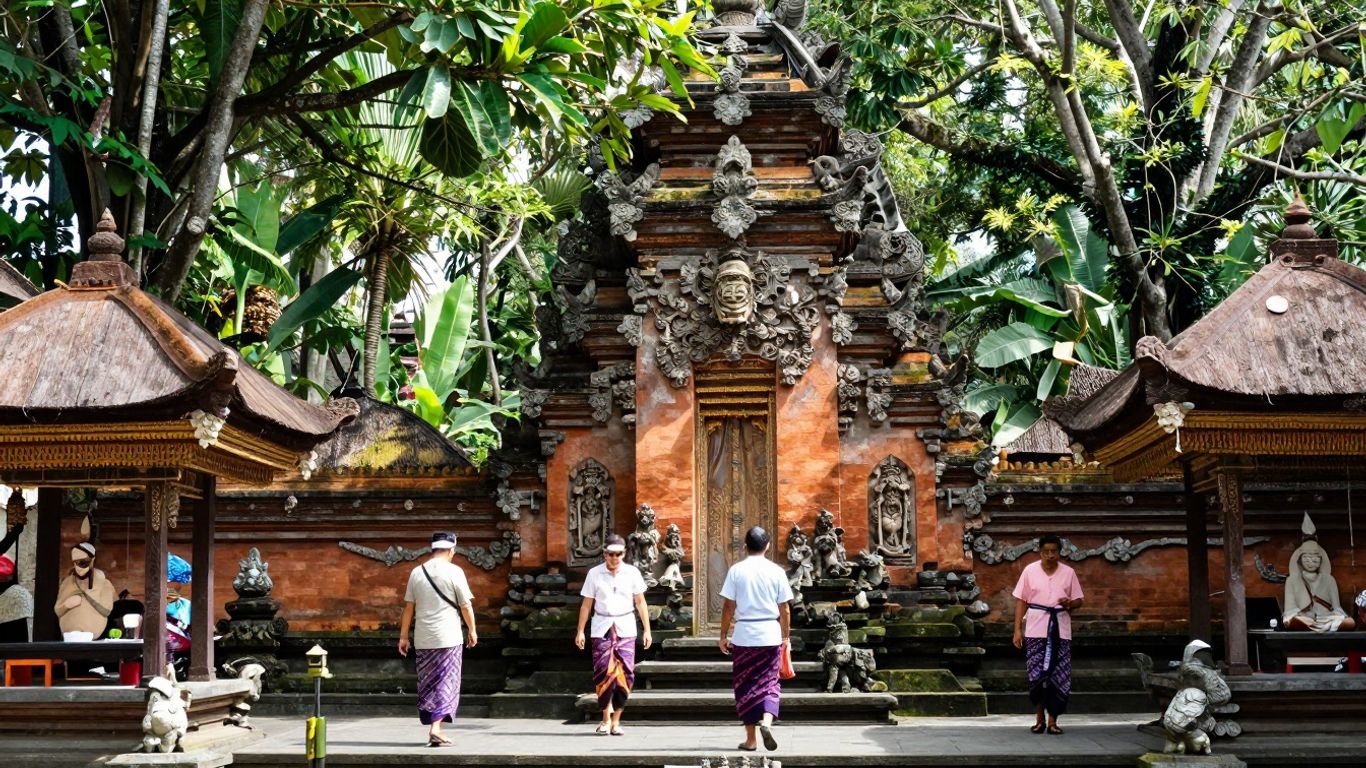
When you visit Bali, remember you’re a guest. Showing humility and respect goes a long way. It’s not just about following rules; it’s about acknowledging that you’re in a place with a rich history and deep traditions. A little bit of politeness can make a big difference. Think of it like visiting someone’s home – you wouldn’t barge in and make a mess, right? The same applies here. Being mindful of your actions and words helps keep the peace and shows you appreciate the local way of life.
Contributing to Bali’s Cultural Preservation
Bali’s unique culture is its biggest draw, and it’s something everyone visiting should help protect. This means being aware of your impact. Simple things, like not littering or avoiding activities that could damage sacred sites, are part of this. You can also support local artisans by buying their crafts directly or choosing tours that benefit the community. It’s about leaving the island as beautiful as you found it, if not better.
Here are a few ways to contribute:
- Dress appropriately: Always wear modest clothing, especially when visiting temples or religious sites.
- Be mindful of noise: Keep your voice down in quiet areas and avoid loud music.
- Support local businesses: Eat at local warungs and buy souvenirs from local markets.
- Dispose of waste properly: Use designated bins and avoid single-use plastics where possible.
Embracing Bali’s Way of Life
Bali has a distinct rhythm and way of doing things. Instead of trying to change it or impose your own habits, try to go with the flow. This might mean adjusting your schedule for local ceremonies or understanding that things might move at a different pace. Embracing this ‘Bali way’ means being open-minded and adaptable. It’s about experiencing the island authentically, not just ticking off tourist spots. You might find that by letting go of rigid expectations, you have a much more rewarding trip.
Bali’s culture is a living thing, passed down through generations. Visitors have a role in keeping it vibrant and respected. This involves more than just observing; it’s about participating respectfully and understanding the significance of local customs. Your actions, however small they may seem, contribute to the overall experience for everyone and help maintain the island’s unique spirit for years to come.
Final Thoughts on Temple Visits
So, that’s a look at how to be respectful when visiting Bali’s temples. It might seem like a lot to remember, but really, it boils down to common sense and showing respect for a different culture. Think of it like visiting someone’s home – you wouldn’t walk in with muddy shoes or start touching things without asking. By following these simple guidelines, like dressing appropriately and being mindful of your surroundings, you’ll have a much better experience. Plus, you’ll be helping to keep Bali’s sacred sites beautiful for everyone, now and in the future. Enjoy your trip and remember to be a good guest!
Frequently Asked Questions
What kind of clothes should I wear to visit a Balinese temple?
When you visit a temple in Bali, it’s super important to dress in a way that shows respect. Think of it like dressing up for a special occasion. You need to cover your shoulders and your knees. This means no shorts, tank tops, or anything too revealing. A good rule of thumb is to wear loose-fitting clothes that are comfortable but also modest. Many temples will require you to wear a sarong, which is like a long wrap-around cloth, and sometimes a sash too. These are often available to rent or buy near the temple entrance if you don’t have your own.
Do I really need to wear a sarong in temples?
Yes, absolutely! Wearing a sarong is a big deal in Balinese temples. It’s not just a piece of clothing; it’s seen as a way to wrap up any negative feelings or thoughts you might have before entering a sacred space. It’s a symbol of respect and humility. So, always make sure you have one on, and if you’re unsure, ask a local or a guide. They’ll tell you if you need one and where to get it.
Can I take photos inside the temples?
Taking photos is usually okay, but you need to be really careful and respectful. Avoid taking pictures of people praying or participating in ceremonies. Also, don’t use flash photography, as it can be disruptive. Some areas might be completely off-limits for photos, especially inside the main shrines or during special events. It’s always best to observe what others are doing and if you’re unsure, ask for permission or just put your camera away. The goal is to capture memories, not to disturb the peace.
Is it okay to touch things in the temple?
Definitely not! You should never touch anything that looks sacred or important in a temple. This includes statues, offerings, shrines, or even special trees. These items have deep religious meaning, and touching them can be seen as disrespectful. Think of the temple as someone’s home – you wouldn’t just go around touching everything there, right? It’s about respecting the space and its purpose.
Should I hire a guide when visiting a temple?
Hiring a local guide can make your temple visit much more meaningful. Temples aren’t just old buildings; they are full of stories, history, and cultural significance. A guide can explain the meanings behind the architecture, the rituals, and the traditions. They can also help you understand the etiquette and make sure you don’t accidentally do something disrespectful. It’s like having a key to unlock a deeper understanding of the place you’re visiting.
What should I do if I’m not sure about the rules?
When in doubt, always ask! Bali is a place with rich traditions, and locals are generally very welcoming and happy to help if you show genuine respect. Look for temple officials or guides, or even other visitors who seem knowledgeable. It’s much better to ask a simple question than to accidentally break a rule. Showing that you’re trying your best to be respectful goes a long way.
