Navigating the Digital Nomad Visa in Bali for Russian Citizens: A 2025 Guide

marcell
December 16, 2025
17 min read
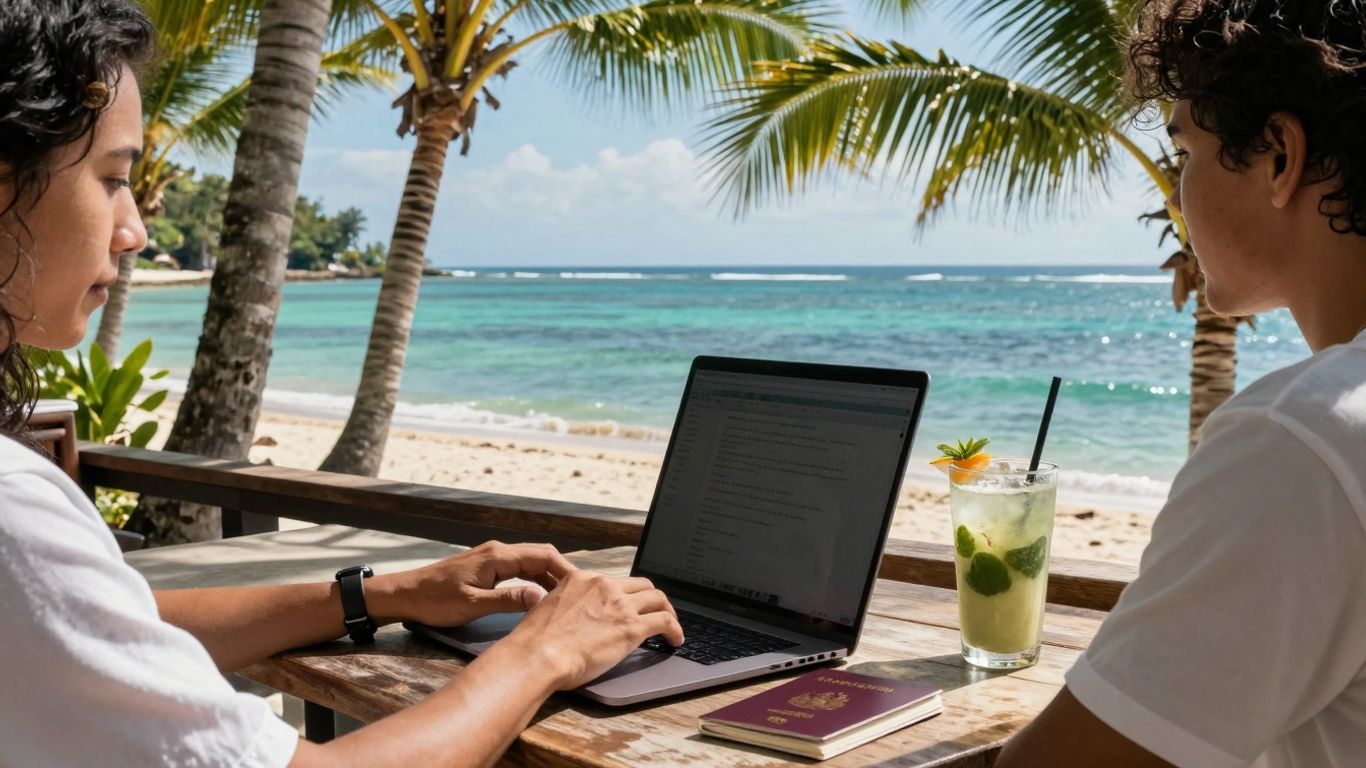
So, you’re a Russian citizen thinking about Bali for your next digital nomad adventure in 2025? It’s a dream spot for many, with its beaches and vibes. But getting there and staying put involves some paperwork, especially with visas. This guide is here to break down what you need to know about the digital nomad visa Bali Russians are looking for, and how to actually make it work.
Key Takeaways
- For Russian citizens, Bali offers visa-free entry for short stays, with options for extensions and visa runs, though these can be tiring.
- Longer stays might involve the Sosial Budaya Visa, as traditional work visas are difficult to obtain without a sponsoring company.
- While a specific Digital Nomad Visa for Russians in Bali isn’t fully established, developments are expected, so staying updated is key.
- Financial planning is important; budgeting around $1000-$2000 per month can provide a comfortable lifestyle, varying by location.
- Respecting local Balinese culture, understanding community rules (like the Banjar), and having proper health insurance are vital for a smooth experience.
Understanding Bali’s Visa Landscape for Russian Citizens
When planning a trip to Bali, especially for an extended stay as a digital nomad, understanding the visa situation is pretty important. For Russian citizens, the options can seem a bit complex at first, but with a little clarity, it becomes much more manageable. The key is to know your entry options and how to extend your stay legally.
Visa-Free Entry and Initial Stays
Many nationalities, including Russian citizens, can enter Bali (Indonesia) without a pre-arranged visa for short stays. This typically allows for an initial period of 30 days. It’s a straightforward way to get a feel for the island and decide if it’s the right fit for your digital nomad journey. However, this visa-free entry is not extendable. If you plan to stay longer than the initial 30 days, you’ll need to look at other options before your time is up.
Visa On Arrival Options and Extensions
For those Russian citizens who know they want to stay longer than 30 days, the Visa On Arrival (VOA) is a common choice. This can be obtained upon arrival at the airport. The standard VOA allows for a 30-day stay and can usually be extended for another 30 days. This means you can potentially stay for up to 60 days with a VOA and its extension.
Here’s a general breakdown of the VOA extension process:
- Initial Application: Obtain the VOA upon arrival.
- First Extension: Apply for an extension at the immigration office before your initial 30 days expire. This usually adds another 30 days.
- Second Extension (if applicable): Some VOA types might allow for a second extension, but this is less common and often requires specific circumstances or agency assistance.
It’s worth noting that extending visas yourself can involve multiple trips to the immigration office, which can be time-consuming and tiring, especially in Bali’s heat. Many digital nomads opt to use an agency to handle the extension process, which can simplify things considerably. You can often arrange this remotely, sending your passport to the agency via courier services like Gojek or Grab. For a smoother arrival experience, consider looking into VIP airport services.
Navigating Visa Runs and Their Challenges
When your allowed stay (like the 60 days from a VOA and its extension) is nearing its end and you still wish to remain in Bali, the concept of a ‘visa run’ often comes up. This involves leaving Indonesia for a short period and then re-entering, typically to obtain a new 30-day visa-free entry or a new VOA. Common destinations for visa runs from Bali include neighboring countries like Singapore or Malaysia.
While visa runs can be a way to extend your stay without applying for more complex long-term visas, they come with their own set of challenges:
- Cost: Flights, accommodation in the transit country, and the new visa fees add up.
- Time Commitment: Traveling back and forth takes time away from work and enjoying Bali.
- Uncertainty: Immigration policies can change, and there’s always a small risk associated with re-entry.
- Fatigue: Repeated travel can be exhausting.
Many digital nomads find that while visa runs are a temporary solution, they aren’t sustainable for long-term living. The constant planning and travel can detract from the relaxed lifestyle Bali is known for. It’s often more practical to explore longer-term visa options if your stay is expected to exceed a couple of months.
For Russian citizens, staying informed about the latest immigration regulations is key. While the visa-free entry and VOA are accessible, they are designed for shorter stays. Planning ahead for longer durations is advisable to avoid disruptions to your work and life in Bali.
Exploring Long-Term Stay Options for Digital Nomads
So, you’re thinking about staying in Bali for more than just a quick visit? That’s totally understandable. While the initial visa-free entry or Visa on Arrival gets you started, settling in for the long haul requires a bit more planning. For Russian citizens looking to make Bali their temporary home base for work, there are a few avenues to consider beyond the standard tourist stays.
The Sosial Budaya Visa for Extended Stays
This visa, often referred to as the Social or Cultural visa, is a common route for those needing to stay longer than the initial tourist allowance. It’s typically issued for a 60-day period and can be extended multiple times, potentially allowing for a stay of up to six months. The application process usually involves having a sponsor in Indonesia, which can often be arranged through visa agencies. It’s important to note that this visa is not intended for employment, but rather for social or cultural activities. However, many digital nomads have successfully used it as a way to extend their stay while working remotely.
Challenges with Traditional Work Visas
Obtaining a traditional work visa (like a KITAS) in Indonesia can be a complex and lengthy process, especially for individuals who aren’t being sponsored by a local company. These visas are generally tied to specific employment roles within an Indonesian business. For digital nomads whose income comes from foreign clients or employers, a standard work visa often doesn’t fit the criteria. The requirements can be stringent, involving detailed business plans, proof of employment, and significant administrative hurdles. This is why many opt for alternative solutions.
Establishing a Local Business for Residency
Another, albeit more involved, path to long-term residency is by establishing a local business in Bali. This typically involves setting up a PT PMA (foreign investment company). While this route offers a legitimate framework for staying and working in Indonesia, it comes with considerable responsibilities. You’ll need to navigate business registration, taxation, and potentially employ local staff. The investment required can also be substantial. However, for those serious about building a presence in Bali and who have a viable business idea, this can be a solid, long-term solution.
It’s worth remembering that visa regulations can change, and what works today might be different tomorrow. Always seek the most current information from official immigration sources or trusted visa agents before making plans.
The Digital Nomad Visa Bali Russians Seek in 2025
Anticipated Digital Nomad Visa Developments
As of late 2025, the landscape for long-term stays in Bali, particularly for remote workers, is still taking shape. While a dedicated ‘Digital Nomad Visa’ hasn’t been formally rolled out for all nationalities, including Russian citizens, there’s a strong indication that such options are being considered by Indonesian immigration. The government has been exploring ways to attract foreign remote workers, recognizing the economic benefits they bring. This suggests that by 2025, we might see more streamlined processes or even a specific visa category designed for individuals working online while residing in Bali. Keep an eye on official announcements from the Indonesian Directorate General of Immigration for the most current information.
Eligibility and Application Considerations
While a specific digital nomad visa might still be in development, Russian citizens currently have a few pathways to consider for extended stays. The Sosial Budaya (Social and Cultural) visa is often used by digital nomads for longer durations, allowing for multiple extensions that can add up to six months. However, this visa is technically for visiting friends or family, so its use for purely remote work is a grey area. Another common, though often tiresome, method is the ‘visa run,’ where one exits and re-enters Indonesia to reset their visa-free or visa-on-arrival period. The key is to stay informed about the latest regulations, as these practices can change.
Leveraging Visa Agencies for Assistance
Dealing with Indonesian immigration can be complex, especially when aiming for longer stays. Many digital nomads, including Russian citizens, find it beneficial to work with reputable visa agencies. These agencies can help with the application process for visas like the Sosial Budaya, manage extensions, and provide guidance on navigating the bureaucratic requirements. They often have up-to-date knowledge of the rules and can save you considerable time and stress. While there’s a cost involved, for many, the convenience and peace of mind are well worth it, especially when trying to focus on work rather than visa paperwork.
Here’s a general idea of what agencies might assist with:
- Visa Application Support: Helping you gather the correct documents and submit applications.
- Extension Management: Handling the paperwork for extending your stay.
- Visa Run Coordination: Advising on and sometimes facilitating border runs.
- General Immigration Advice: Providing insights into current regulations and best practices.
Financial Planning for Your Bali Stay
Thinking about your finances before you pack your bags for Bali is a smart move. It’s not just about having enough money for rent and food; it’s about making sure you can actually enjoy your time there without constant money worries. Bali can be surprisingly affordable, but costs can add up quickly if you’re not careful.
Budgeting for a Comfortable Lifestyle
Creating a realistic budget is your first step. Consider your daily expenses, like food, transportation, and any activities you plan to do. Don’t forget about accommodation, which will likely be your biggest outgoing. Many digital nomads find that shared villas or apartments can significantly reduce housing costs. A good rule of thumb is to aim for a budget that allows for both your necessities and some leisure.
Here’s a rough breakdown of potential monthly costs for a single person:
| Category | Estimated Cost (USD) | Notes |
|---|---|---|
| Accommodation | $300 – $800 | Shared villa vs. private apartment |
| Food | $200 – $400 | Local warungs vs. Western restaurants |
| Transportation | $50 – $150 | Scooter rental, ride-sharing |
| Internet/Utilities | $50 – $100 | Often included in rent, but check |
| Activities/Social | $100 – $300 | Tours, coworking, nights out |
| Miscellaneous | $50 – $100 | SIM card, toiletries, unexpected expenses |
Understanding Cost of Living Variations
The cost of living in Bali isn’t uniform across the island. Popular spots like Canggu or Seminyak tend to be more expensive than less touristy areas further inland or up north. If you’re on a tighter budget, consider looking for accommodation in places like Ubud (away from the main tourist drag) or even Jimbaran. You might find that a little research into different neighborhoods can save you a significant amount of money.
- Accommodation: Prices vary greatly by location and type. A private villa in a prime area will cost much more than a room in a shared house further out.
- Food: Eating at local ‘warungs’ (small eateries) is very cheap. Dining at trendy cafes or international restaurants will increase your food budget considerably.
- Transportation: While scooter rental is generally affordable, fuel costs and potential parking fees should be factored in.
Managing Finances with Remote Work
When you’re working remotely, managing your money effectively is key. Ensure you have reliable ways to access your funds. Consider using online banking and money transfer services that offer competitive exchange rates. It’s also wise to have a backup plan in case of any issues with your primary bank or payment methods.
Having a buffer for unexpected expenses is always a good idea. Whether it’s a medical emergency, a flight change, or just a spontaneous trip, having some extra funds can prevent a lot of stress.
- Set up a separate savings account for your Bali trip funds.
- Research international money transfer services to find the best rates.
- Always have some cash on hand for smaller purchases or places that don’t accept cards.
Essential Considerations for Russian Nationals in Bali
Moving to Bali as a digital nomad, especially for an extended stay, means getting familiar with more than just the visa rules. It’s about fitting into the local scene and making sure you’re covered.
Respecting Local Culture and Traditions
Bali is deeply spiritual, and its culture is a big part of daily life. You’ll see small offerings, called Canang Sari, everywhere, made with flowers and incense. These are daily gestures to honor the gods and maintain balance. The Balinese people are generally welcoming, but they do expect visitors to show respect for their customs. This is especially important when visiting temples or other sacred sites. Dress modestly, cover your shoulders and knees, and always ask permission before taking photos of people or religious ceremonies. Understanding and respecting these traditions will go a long way in ensuring a positive experience.
Navigating Community Rules and Regulations
Beyond formal laws, Bali has local community structures called ‘Banjar’. Think of them as neighborhood associations that handle local matters, sometimes even before the police get involved. If you’re planning anything that might affect the community, like a large gathering at a villa, it’s wise to check in with your local Banjar. They are the custodians of community harmony, and respecting their role is key to being a good resident. Most areas have clear rules about noise levels and waste disposal, so it’s worth finding out what applies to your neighborhood.
Healthcare and Insurance for Expats
When you’re living abroad, having good health insurance is a must. Bali’s healthcare system is quite decent, with many doctors and clinics that cater to foreigners. English is widely spoken in medical settings, which makes communication easier. You can find pharmacies stocked with common medications. However, medical treatment usually requires upfront payment, which you then claim back from your insurance. It’s really important to sort out your health insurance before you arrive. Options available locally can be pricey and might not offer the coverage you need for serious issues. Check if your home country’s insurance covers you internationally, or research reputable global providers. Always carry your passport when visiting a doctor for identification purposes.
Popular Hubs for Digital Nomads in Bali
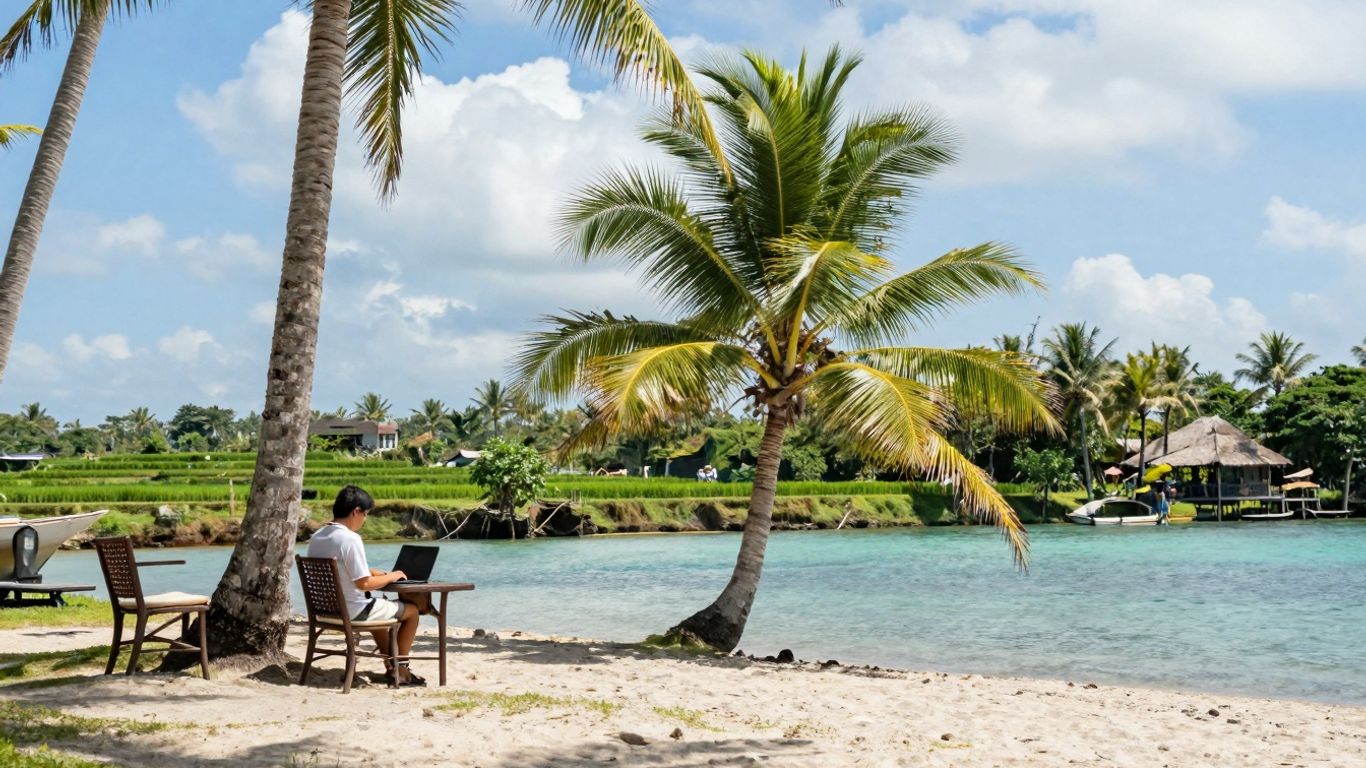
When you’re thinking about setting up your temporary home base as a digital nomad in Bali, location really matters. Different areas offer distinct vibes, amenities, and community feels. Choosing the right spot can significantly impact your productivity and overall experience. Here’s a look at some of the most talked-about areas:
Canggu: A Vibrant Digital Nomad Center
Canggu is often the first place that comes to mind for many digital nomads. It’s got a reputation for being a hub, and for good reason. You’ll find a ton of cafes with decent Wi-Fi, restaurants catering to all sorts of tastes, and a lively social scene. It’s particularly popular with content creators and influencers.
- Vibe: Energetic, social, trendy.
- Pros: Lots of coworking spaces, cafes, restaurants, beach access, networking opportunities.
- Cons: Can get crowded and traffic can be a challenge. Accommodation prices can be higher in the most central spots.
Many nomads find that staying in nearby areas like Pererenan, Berawa, Umalas, or Kerobokan offers a slightly more relaxed atmosphere and potentially lower costs, while still being a short scooter ride away from the heart of Canggu.
Ubud: Serenity and Community
If the hustle of Canggu feels a bit much, Ubud offers a different pace. It’s known for its lush landscapes, yoga retreats, and a strong focus on wellness and local culture. It’s a place where you can really connect with nature and find a more tranquil environment for work.
- Vibe: Calm, spiritual, nature-focused.
- Pros: Peaceful atmosphere, beautiful scenery, strong wellness community, good for focus.
- Cons: Further from the beach, can feel a bit isolated from the coastal nomad scene, internet can sometimes be less reliable than in Canggu.
Ubud is great for those looking to balance work with mindfulness and a deeper dive into Balinese traditions. You’ll find coworking spaces here too, often with a more relaxed feel.
Uluwatu: Coastal Living and Networking
Located on the southern Bukit Peninsula, Uluwatu is famous for its stunning cliffside views, surf breaks, and a more laid-back, yet sophisticated, atmosphere compared to Canggu. It attracts a mix of surfers, yogis, and digital nomads looking for beautiful coastal living.
- Vibe: Relaxed, scenic, surf-centric.
- Pros: Incredible ocean views, world-class surf spots, beautiful beaches, growing number of cafes and coworking spots.
- Cons: Can be more spread out, requiring transport to get around. Some areas might be pricier due to the resort feel.
While perhaps not as dense with coworking spaces as Canggu, Uluwatu offers a unique blend of work and leisure, with many spots offering great views to accompany your workday. The sunset spots here are legendary.
When considering these areas, think about what kind of daily routine you envision. Do you want to be in the thick of the action, surrounded by fellow nomads and constant activity? Or do you prefer a quieter setting where you can focus and be closer to nature? Your ideal Bali hub likely depends on your personal work style and lifestyle preferences.
Wrapping Up Your Bali Adventure
So, you’ve looked at the visa stuff and what it takes to actually live and work in Bali as a Russian citizen. It’s not always super straightforward, and things can change, so staying updated is key. Whether you go for the visa runs or look into longer-term options, planning ahead makes a big difference. Bali’s a popular spot for remote workers for a reason, but remember to respect the local culture and rules while you’re there. Hopefully, this guide gives you a good starting point for your own Bali journey.
Frequently Asked Questions
What’s the easiest way for Russian citizens to enter Bali for a short stay?
Most people can enter Bali without a visa for up to 30 days. If you need a bit more time, you can get a ‘Visa on Arrival’ when you land, which usually lets you stay for another 30 days after an extension. It’s like a quick pass to get you started on the island.
How can I stay in Bali for longer than 60 days if there’s no specific digital nomad visa yet?
A popular method is the ‘Sosial Budaya’ visa, meant for visiting friends or family. It allows you to stay for 60 days and can be extended up to four times, giving you a total of about six months. Some people also do ‘visa runs,’ which means leaving the country briefly and then coming back to get a new entry permit, but this can get tiring.
Is it possible to work legally in Bali as a digital nomad?
Working in Bali on a tourist visa is a tricky area. Officially, foreigners usually need a special work permit or to own a local business. Many digital nomads work online and are careful not to violate their visa rules. It’s best to focus on your remote work and avoid taking local jobs.
What are the main costs I should expect when living in Bali?
You can live pretty comfortably on about $1,500 to $2,000 per month. This covers rent, food, getting around, and some fun. If you’re on a tighter budget of $1,000, you’ll need to be more careful with your spending, maybe stay a bit further from popular spots, and limit going out often.
What should I know about Bali’s culture and rules?
Bali has a unique Hindu culture that’s very important to the locals. Always be respectful, especially when visiting temples or sacred places. You’ll see beautiful flower offerings everywhere called ‘Canang Sari.’ Also, be aware of the ‘Banjar,’ which are like local community organizers who help with neighborhood rules and issues.
Where do most digital nomads choose to live in Bali?
The most popular spots for digital nomads are Canggu, known for its lively atmosphere and cafes; Ubud, which offers a more peaceful, spiritual vibe; and Uluwatu, famous for its stunning cliffs and surf spots. Each place has its own feel, so you can pick what suits you best.
