
Emergency Services for Russians in Bali: Essential Contacts and Support

marcell
January 6, 2026
13 min read
Planning a trip to Bali is exciting, but it’s smart to know what to do if something unexpected happens, especially for Russian citizens. This guide covers important contacts and support systems to help you stay safe and healthy on the island. From medical needs to consular help, we’ve got you covered. Knowing about emergency services for Russians in Bali can make a big difference when you need it most.
Key Takeaways
- The Russian Consulate General in Denpasar is set to open by the end of 2024, which will offer better support for Russian citizens in Bali during emergencies.
- Travel insurance is highly recommended for Bali, covering common issues like stomach problems, injuries from activities, and potential mosquito-borne diseases. Look for policies with high coverage limits and specific inclusions.
- While Bali has public and private healthcare, private clinics and international hospitals offer better quality and English-speaking staff, though they are more expensive. Emergency numbers like 112 and 118 are available.
- Local pharmacies, known as ‘Apoteks’, are common and stock many basic medications. However, it’s wise to bring specialized medicines from home, as availability can be limited.
- Preventative measures like vaccinations, using insect repellent, drinking bottled water, and being cautious with food can significantly reduce health risks during your stay.
Navigating Medical Emergencies in Bali
Understanding Common Health Risks for Travelers
When you’re in Bali, your body might react differently to the new environment. Things like the tropical climate, different food, and even the humidity can sometimes throw your system off. It’s pretty common for travelers to experience stomach issues or mild infections, especially if you’re trying out new foods from local spots. Sunburn and dehydration are also big concerns, given how strong the sun can be. Don’t forget about injuries; Bali is popular for activities like biking and surfing, and accidents can happen. Mosquito-borne illnesses, like Dengue fever, are also something to be aware of.
- Stomach and intestinal problems
- Sunburn and heatstroke
- Injuries from activities like surfing or cycling
- Mosquito-borne diseases
It’s wise to be prepared for these common issues. Thinking ahead can save you a lot of discomfort and potential expense while you’re trying to enjoy your trip.
Importance of Travel Insurance for Bali
Getting travel insurance is a really smart move when heading to Bali. While it’s not mandatory for entry, it can save you a significant amount of money if something unexpected happens. Medical care here, especially at private facilities, can get pricey fast. Having good insurance means you won’t have to worry as much about the cost of doctor visits, tests, or hospital stays. It provides a safety net, so you can focus on getting better rather than stressing about bills. Some policies even offer 24/7 support in Russian, which can be a big help when you’re in a stressful situation. For more details on what to look for, you can check out Bali Premium Trip.
Accessing Local Pharmacies and Medications
Pharmacies, known locally as ‘Apoteks’, are easy to find, especially in tourist areas. Big chains like Kimia Farma and Guardian stock a wide range of common medicines, including antibiotics and pain relievers, often available without a prescription. However, if you need specific medications, it’s best to bring them from home, as they might not be available or could be hard to find. Always buy from larger, reputable pharmacies to avoid counterfeit products. Many pharmacists speak English, but having the name of your medication written down or its packaging can make things smoother. Remember to drink only bottled water and be cautious about where you eat to minimize the risk of stomach bugs.
Consular Support for Russian Citizens
Upcoming Consulate General in Denpasar
Good news for Russian citizens spending time in Bali: a Consulate General is set to open in Denpasar. This development is a direct response to the growing number of Russian visitors and residents on the island. The Russian government has confirmed plans for this office, aiming to be operational by the end of 2024. This move is expected to significantly improve the support available to Russian nationals in Bali, making it easier to handle various administrative and emergency situations.
Role of Consulates in Emergency Situations
Consulates are there to help their citizens when they are abroad. Think of them as a local point of contact for your home country. In Bali, this new Consulate General will be able to assist with things like lost passports, legal issues, or other unexpected problems that might arise. They act as a vital link between Russian citizens and local authorities. This is especially important in emergency situations, whether it’s a medical issue, an accident, or any other crisis.
Facilitating Assistance for Russian Nationals
The establishment of the Consulate General is all about making things smoother for Russians in Bali. It means quicker access to help and a more direct line of communication. The goal is to provide protection and support, especially given the increasing number of tourists and expats. This includes helping with documentation, providing guidance during difficult times, and generally making sure Russian citizens feel looked after while they are away from home. It’s a step towards better service for a growing community.
Here’s a quick look at what the consulate can help with:
- Passport services (renewals, replacements)
- Notarial services
- Assistance in emergencies (medical, legal, accidents)
- Information and guidance on local laws and customs
- Liaison with local authorities
The presence of a dedicated consulate simplifies many processes that might otherwise be complicated for travelers and residents alike. It’s a sign that the Russian government recognizes the importance of Bali as a destination for its citizens.
Healthcare Facilities and Services
Overview of Public Healthcare in Bali
Bali has a public healthcare system, but it’s important to know its limitations, especially for foreigners. While there are many public clinics across Indonesia, the ones in Bali can be quite busy and sometimes short on staff. The main public hospital is RSUP Sanglah Hospital in Denpasar. It’s the largest on the island and does have some English-speaking personnel, but it might not meet the standards you’re used to. Services are generally cheaper than private options, but quality can vary.
Private Clinics and International Hospitals
For a more comfortable and modern medical experience, private clinics and international hospitals are the way to go in Bali. These places are usually well-equipped, staffed by professionals who speak English, and follow international treatment guidelines. They often look more like hotels than hospitals, which can be reassuring when you’re not feeling well.
Some well-regarded private facilities include:
- BIMC Hospital (Bali International Medical Center): With locations in Nusa Dua and Kuta, BIMC is known for emergency care and surgery.
- Siloam Hospital: This is a large network recognized for its high service quality and modern equipment.
- International SOS: Based in Denpasar, this facility operates 24/7 and is geared towards assisting foreigners.
- Kasih Ibu Hospital: A local network with branches in Denpasar and Tabanan, offering more affordable rates for less severe conditions.
- Prima Medika Hospital: Also located in Denpasar, providing a broad range of medical services.
It’s always a good idea to check with your insurance provider before seeking treatment at a private facility to understand coverage.
Emergency Contact Numbers for Medical Aid
In a medical emergency, knowing who to call is vital. While local emergency services exist, private hospitals often provide a more reliable and quicker response for foreigners. Don’t hesitate to call directly to the private hospitals listed above if you need immediate assistance.
Here are the general emergency numbers:
- 118: For urgent medical assistance.
- 112: The universal emergency number in Indonesia.
Remember, in remote areas, medical facilities might be limited, and response times could be longer. Planning ahead and knowing these contacts can make a significant difference during a health crisis.
Insurance Policy Recommendations
When you’re planning a trip to Bali, getting the right travel insurance is a really smart move. It’s not just about covering the basics; it’s about making sure you’re protected if something unexpected happens, and let’s be honest, things can happen when you’re far from home.
Coverage Levels for Medical Expenses
You’ll want a policy that offers a solid amount of medical coverage. Think at least 50,000 to 100,000 euros. Good medical care, especially at private facilities in Bali, can get pricey fast. Your policy should cover things like doctor visits, hospital stays, necessary surgeries, and any medications prescribed. It’s also good to check if it includes transportation to a clinic if you can’t get there yourself.
Inclusions for Extreme Sports and Rabies
Bali is a place where people often try new activities. If you’re planning on surfing, diving, snorkeling, or even trekking up a volcano, make sure your insurance specifically covers injuries from adventure sports. Standard policies often leave these out, which means you’d be paying for any accidents out of your own pocket. Also, keep in mind the risk of rabies from animal bites (like dogs or monkeys). Ensure your policy covers the cost of immunoglobulin shots, as these can be quite expensive.
Direct Billing and Claim Procedures
Before you buy, do a little digging into how the insurance company handles claims. It’s a huge convenience if they offer direct billing, meaning they pay the clinic or hospital directly. This saves you from having to pay a large sum upfront and then wait for reimbursement. Always ask about this and understand the process for filing a claim. Keep all your receipts, just in case you do have to pay first.
Here’s a quick rundown of what to look for:
- Medical Coverage Amount: Aim for a high limit to cover potential costs.
- Adventure Sports: Explicitly listed if you plan on active pursuits.
- Rabies Treatment: Coverage for post-exposure prophylaxis.
- Emergency Dental: For unexpected dental injuries.
- Direct Billing: Check if this service is available.
It’s easy to think insurance is just another expense, but when you’re in a foreign country and facing a medical issue, it becomes incredibly important. Having a policy that covers what you need can make a stressful situation much more manageable. Always read the fine print so you know exactly what you’re covered for.
Preventative Health Measures
Vaccinations and Personal Hygiene
Before you even think about packing your bags for Bali, it’s a good idea to check if your standard vaccinations are up to date. Things like measles, mumps, rubella, diphtheria, whooping cough, and tetanus are important. It’s also recommended to get vaccinated against hepatitis A and B. If you’re traveling between October and March, consider getting a flu shot too. Staying clean is also a big part of staying healthy. Wash your hands often, especially before eating, and carry a small bottle of hand sanitizer for times when soap and water aren’t around. This simple habit can really cut down on the chances of picking up something nasty.
Avoiding Local Health Risks
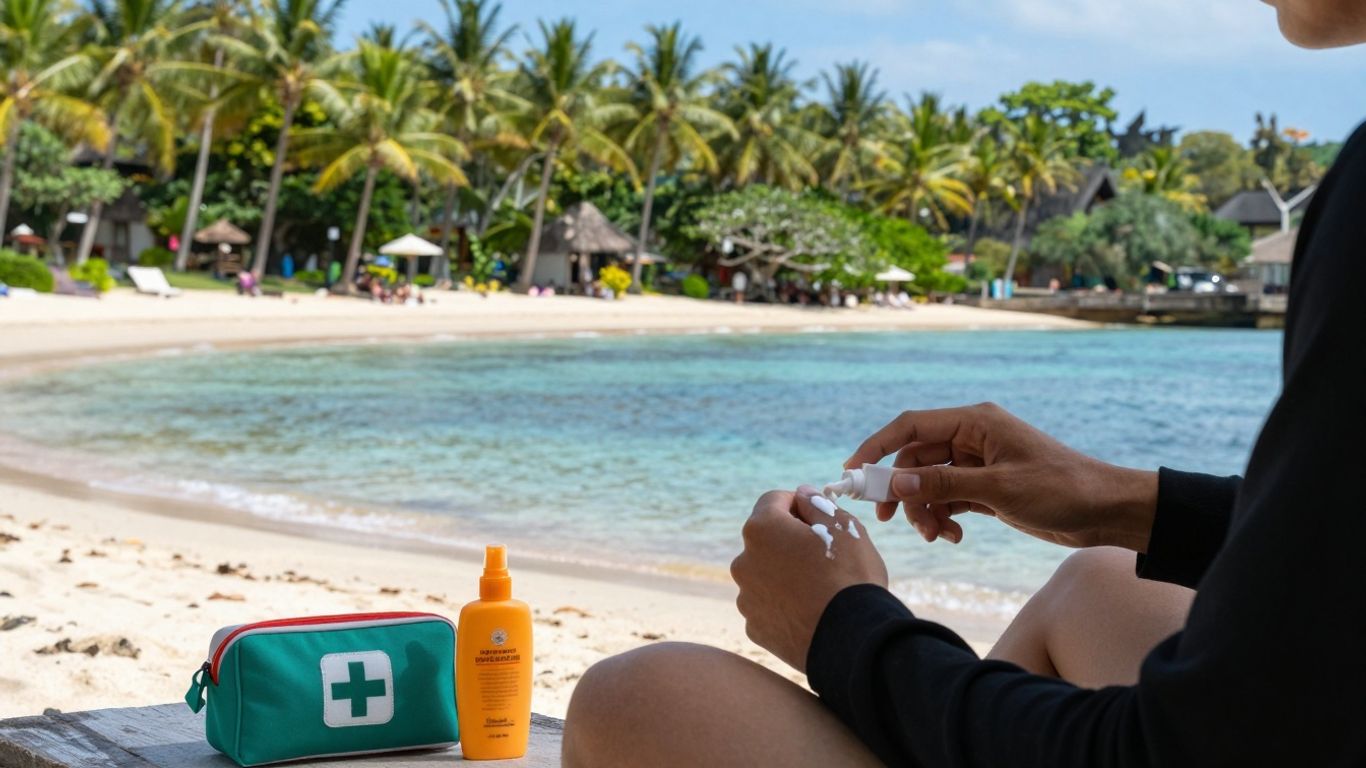
Bali has some unique health considerations you should be aware of. Mosquito-borne illnesses like Dengue fever and malaria are present, so using insect repellent is a must, especially during dawn and dusk. Wearing long sleeves and pants when possible can also help. You’ll also want to be careful about what you eat and drink. Stick to bottled water, avoid ice in drinks unless you’re sure it’s made from purified water, and be cautious with street food if you have a sensitive stomach. Sunburn and dehydration are also common issues, so drink plenty of fluids and use sunscreen with a high SPF. It’s also wise to avoid contact with stray animals like dogs and monkeys; if you do get bitten or scratched, clean the wound immediately and seek medical attention.
Preparing a First-Aid Kit
Having a basic first-aid kit can make a big difference if minor issues pop up. Here are some things that are good to include:
- Pain relievers (like ibuprofen or acetaminophen)
- Antiseptic wipes and bandages for cuts and scrapes
- Motion sickness medication if you plan on boat trips
- Anti-diarrheal medication
- Any personal prescription medications you need
- Insect repellent
- Sunscreen
It’s also a good idea to know the location of the nearest clinics or hospitals to where you’re staying. While ambulances are an option, sometimes a taxi can get you there faster in a pinch. Having this information handy can save precious time if a medical situation arises.
Final Thoughts
So, while Bali is a fantastic place, it’s smart to be prepared. Knowing who to call and what to do if something goes wrong can make a big difference. Getting the right insurance is a really good idea, especially with the cost of private medical care here. And remember, the new Russian Consulate General is opening soon, which should add another layer of support for Russian citizens on the island. Staying informed and having a plan means you can focus more on enjoying your time in Bali and less on worrying about what might happen.
Frequently Asked Questions
What are the common health issues travelers face in Bali?
Many travelers in Bali experience stomach problems and tummy infections. It’s also common to get sunburned, dehydrated, or suffer from heatstroke. Injuries from activities like biking or surfing happen too. Plus, there’s a risk of sicknesses carried by mosquitoes, such as dengue fever.
Is travel insurance really necessary for Bali?
Yes, it’s highly recommended. While not required to enter, saving money on insurance can be risky. Medical care, especially at private places, can be very expensive. Insurance can save you from huge bills if something unexpected happens, like an accident or sudden illness.
Where can I find medicine in Bali?
You can find pharmacies, called ‘Apoteks,’ easily in Bali. Big chains like Kimia Farma and Guardian have a good selection. You can also find pharmacies at some hospitals and hotels. Most common medicines are available without a prescription, but it’s wise to bring any special ones you need.
What should I do if I need medical help in Bali?
For urgent medical help, you can call 118 or the general emergency number 112. It’s often faster to call a taxi to a clinic than wait for an ambulance. Always try to contact your insurance company’s assistance service first, as they can guide you to a suitable clinic.
What kind of insurance coverage is best for Bali?
It’s smart to get insurance with at least 50,000 to 100,000 euros in coverage because medical care can be pricey. Make sure it covers hospital stays, medicines, and doctor visits. If you plan on doing adventurous sports like surfing or diving, be sure that’s included, as standard policies often don’t cover injuries from extreme activities.
How can I protect myself from health risks in Bali?
To stay healthy, get any recommended vaccinations before you go. Always drink bottled water and be careful about where you eat. Use bug spray to avoid mosquito bites, especially during dawn and dusk. Wash your hands often and try to avoid touching stray animals.
